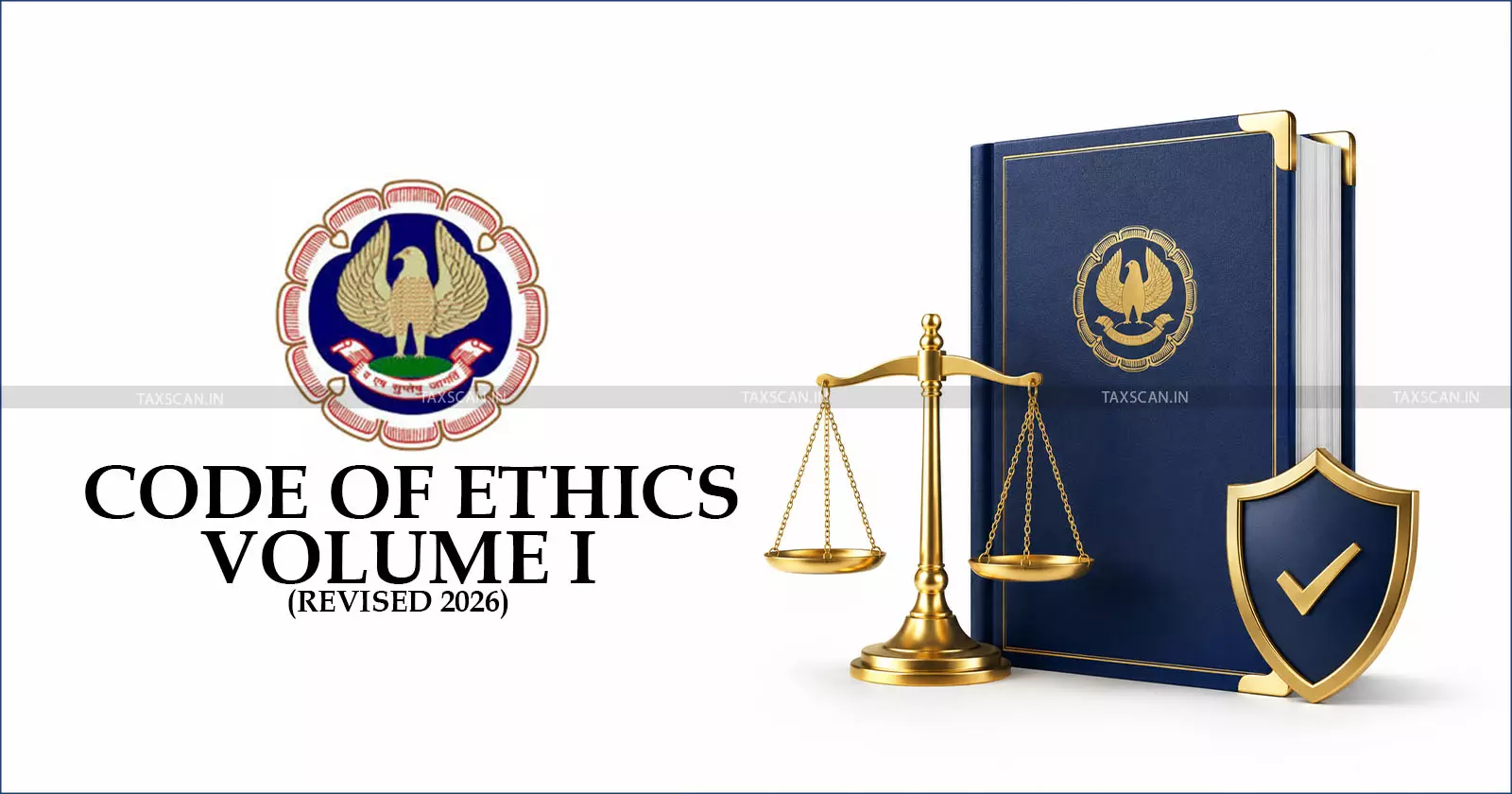
ICAIcorporate
ICAI Releases Updated Code of Ethics Effective April 2026
The ICAI has announced its revised Code of Ethics, comprising three volumes, which will come into effect from April 1, 2026.
Jun 2, 2026Read more →
AI-curated court updates, legal developments, and practice-area insights for Indian legal professionals.
The ICAI has announced its revised Code of Ethics, comprising three volumes, which will come into effect from April 1, 2026.

In a significant ruling, the NCLT has stated that a corporate guarantor cannot avoid Corporate Insolvency Resolution Process (CIRP) obligations even if there are parallel proceedings against the principal borrower. This decision reinforces the co-extensive liability of guarantors under the IBC.

The NCLT has clarified that the limitation period for invoking Corporate Insolvency Resolution Process (CIRP) against a corporate guarantor begins with the invocation of the guarantee, not from the classification as a Non-Performing Asset (NPA). This ruling is pivotal for creditors in managing timelines for claims against guarantors.

The CESTAT clarified that the limitation period for claiming refunds under Rule 5 begins at the end of the quarter in which the Foreign Inward Remittance Certificate (FIRC) is received. This emphasizes the significance of the FIRC date in service export validation.

The Reserve Bank of India has amended the guidelines for the resolution of stressed assets applicable to all financial institutions, facilitating improved asset recovery mechanisms.
The Reserve Bank of India has introduced amendments to the income recognition and provisioning framework for financial institutions, aimed at better management of financial reporting and asset classification.
The Reserve Bank of India has issued amendments to the credit risk management framework for all financial institutions, focusing on the assessment and resolution of stressed assets. This update aims to strengthen financial stability.
The Reserve Bank of India has released directives regarding the conduct of government business by Agency Banks, focusing on the payment of agency commissions and oversight mechanisms. These directives are critical for maintaining accountability in financial operations.
The RBI held a Variable Rate Repo auction with a notified amount of ₹75,000 crore. A total of ₹17,445 crore was allotted at a cut-off rate of 5.26%, showcasing ongoing liquidity management efforts.

The Delhi High Court has made a crucial distinction in trademark use regarding keyword bidding in digital advertising, addressing the limitations of safe harbor protections for intermediaries like Google. This ruling could reshape future keyword advertising practices.
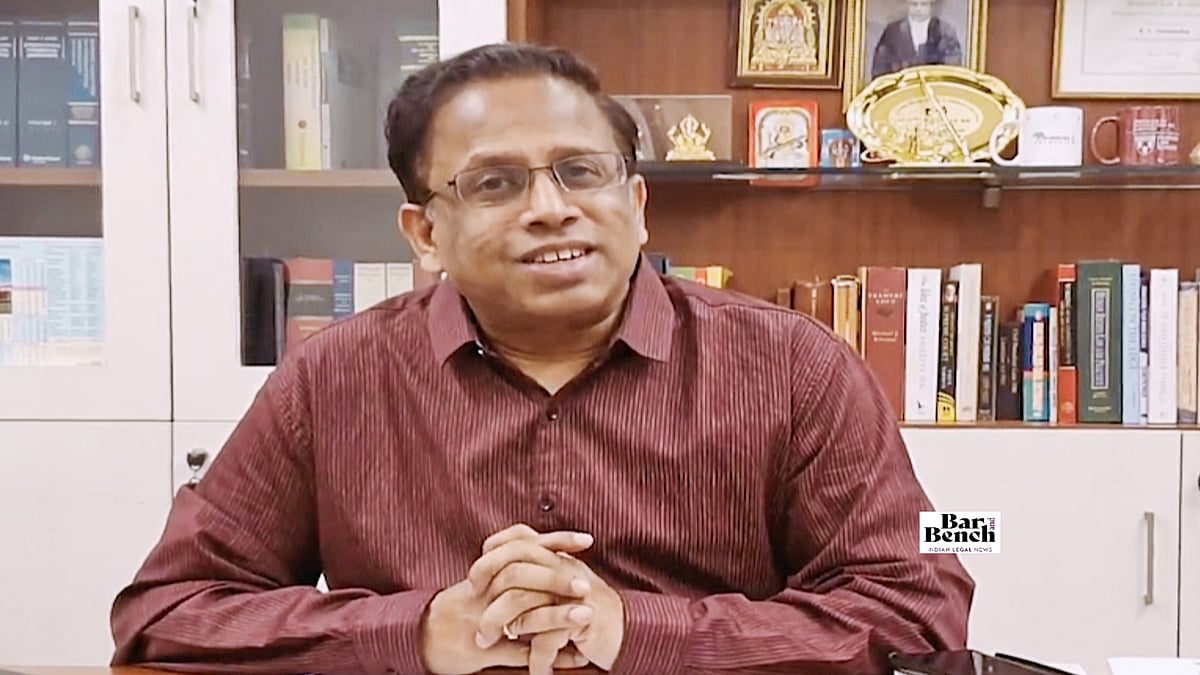
The Supreme Court collegium has recommended Senior Advocate KV Viswanathan for appointment as a Supreme Court judge, which could make him the fourth Chief Justice of India elevated directly from the bar.
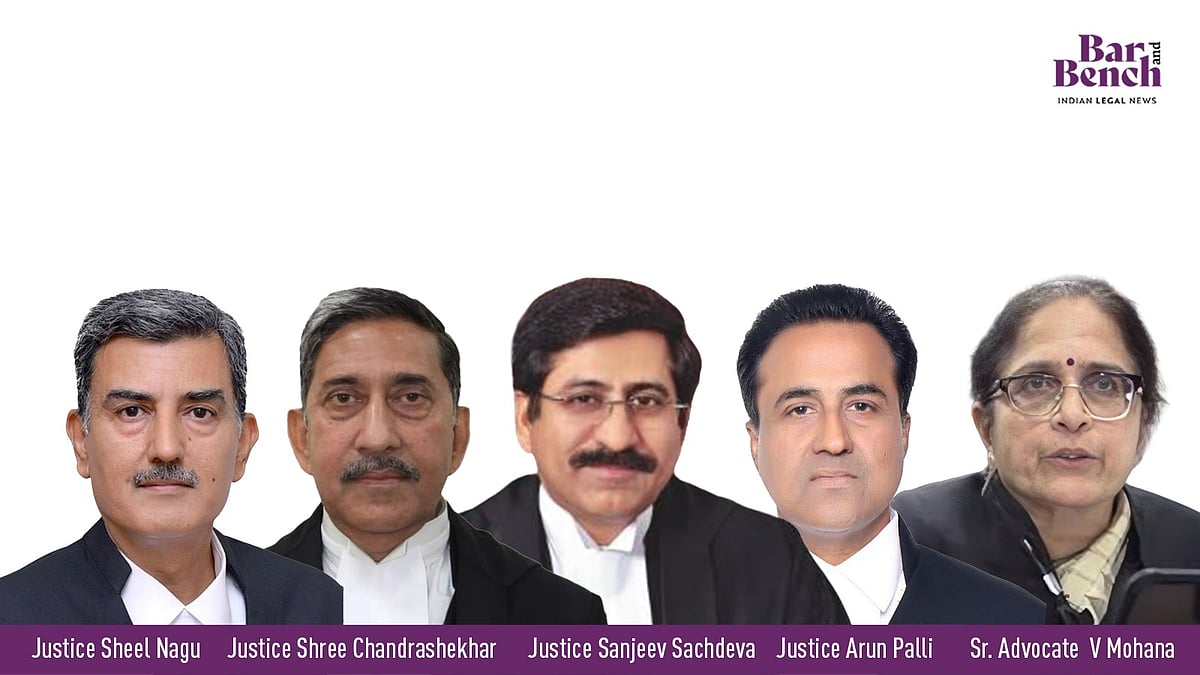
The Supreme Court Collegium has recommended the elevation of four Chief Justices and one Senior Advocate to the Supreme Court, a step reflecting ongoing judicial restructuring and capacity expansion.
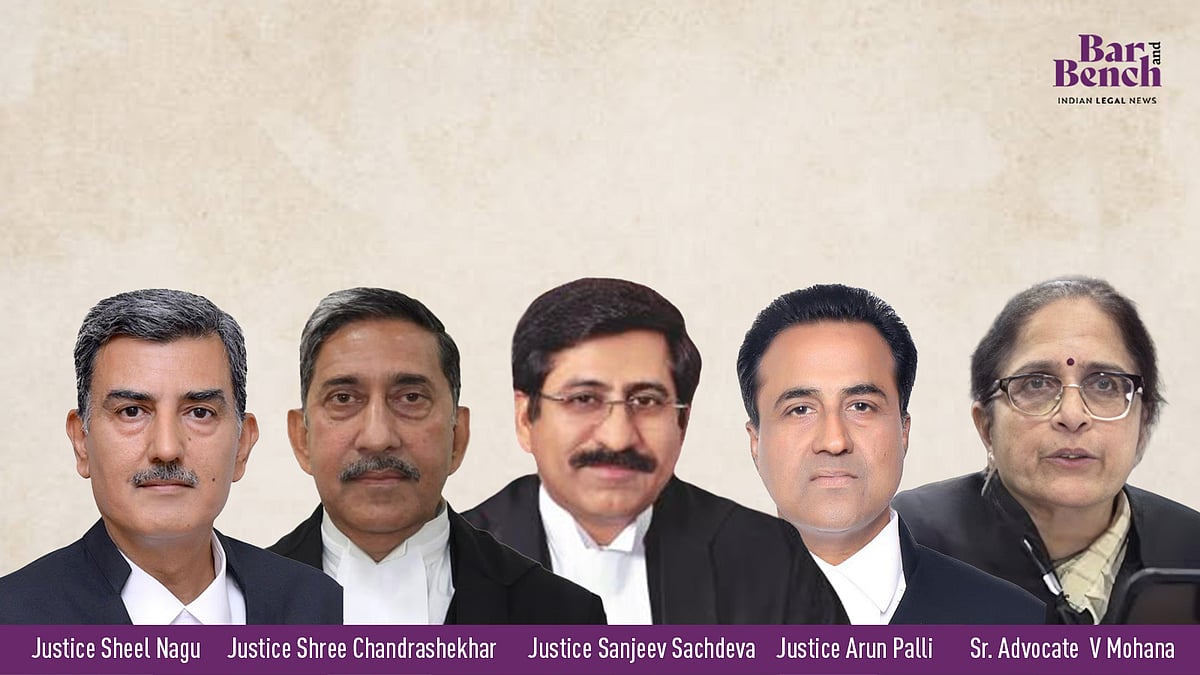
The Central government has approved the appointment of five judges to the Supreme Court, including four Chief Justices and Senior Advocate V Mohana, following an increase in the court's sanctioned strength. This marks a significant expansion in the judiciary's capabilities.