Commercial Dispute Is Civil in Nature: Calcutta HC Quashes Criminal Proceedings against Directors
The Calcutta High Court ruled that a commercial dispute over unpaid invoices is civil, quashing criminal proceedings against company directors.
Latest court orders, judgments, and legal developments from Indian courts — AI-curated and summarized.

The Calcutta High Court ruled that a commercial dispute over unpaid invoices is civil, quashing criminal proceedings against company directors.

A recent decision from the Debt Recovery Tribunal mandates Indian Bank to refund auction amounts with interest and compensation due to procedural violations.
The Madras High Court has restrained construction of a church near a century-old temple, noting a pending civil suit and the need to maintain status quo until the resolution of the land dispute.

The Bombay High Court has ruled the Maharashtra government liable for the death of a patient at Yerwada Mental Hospital, ordering ₹22 lakh compensation to the victim's family. This underscores the state's responsibility for patient safety.

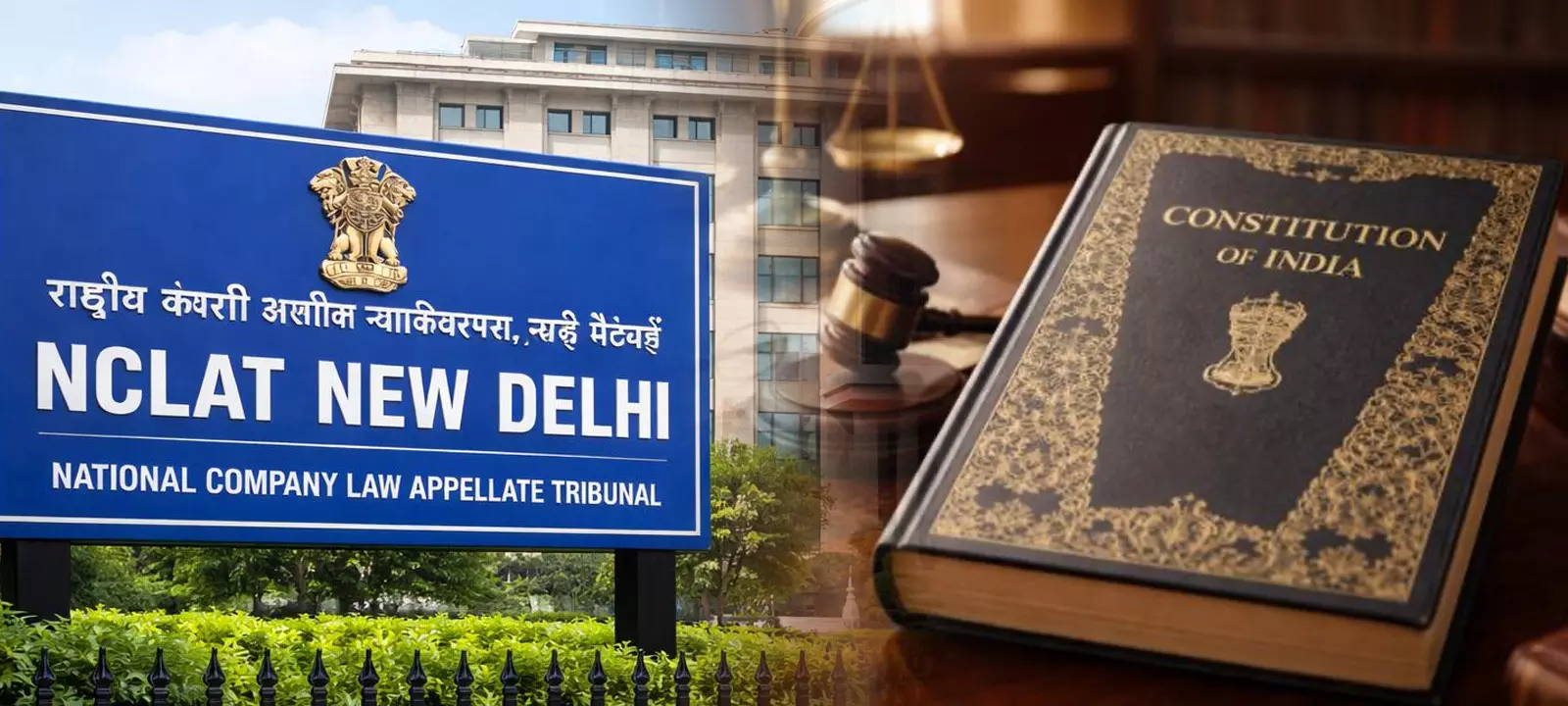
The NCLAT has ruled that a contempt order that imposes civil imprisonment is unsustainable if the individual contemnors are not specifically identified and due process is not followed. This highlights important procedural safeguards within contempt jurisdiction.

Chief Justice of India Surya Kant has expressed concerns that modern international arbitration is becoming as complex and costly as the litigation it was intended to simplify. His remarks highlight the need for reform in arbitration processes.

The Orissa High Court quashed an FIR alleging misuse of GST credits in a GAIL pipeline project, determining the matter was civil, not criminal. The court emphasized that proceeding with a criminal investigation would be an abuse of process due to ongoing NCLT liquidation.
The Saket District Court ruled in favor of independent artist Anamika Sood, identifying her as the rightful owner of her song, in a case that raises critical concerns about the misuse of copyright enforcement as a commercial tool.
The Supreme Court has ruled that a decree issued without resolving jurisdictional issues is void and cannot be executed, emphasizing the necessity of judicial reasoning in decrees.
The Supreme Court has ruled that a decree issued without addressing jurisdiction and maintainability issues is unenforceable. The absence of judicial reasoning renders such decrees void.

The Supreme Court has agreed to review the validity of minimum cut-off marks in judicial service recruitment interviews, responding to concerns regarding fairness in the selection process.

The Delhi High Court Bar Association has filed a challenge against the formation of a committee to examine an increase in pecuniary jurisdiction for district courts. The matter is set to be heard by the court.