Karnataka HC Rules Landowners as Co-Promoters under RERA
The Karnataka High Court held that landowners under Joint Development Agreements (JDAs) are considered co-promoters under the RERA framework, upholding the validity of an auction notice.
AI-curated court updates, legal developments, and practice-area insights for Indian legal professionals.

The Karnataka High Court held that landowners under Joint Development Agreements (JDAs) are considered co-promoters under the RERA framework, upholding the validity of an auction notice.
The Delhi High Court's decision in Saregama v. Ilaiyaraaja has shed light on the evidentiary threshold for establishing copyright ownership in interim injunction applications. The ruling addresses the balance between evidence required and potential irreparable injury.

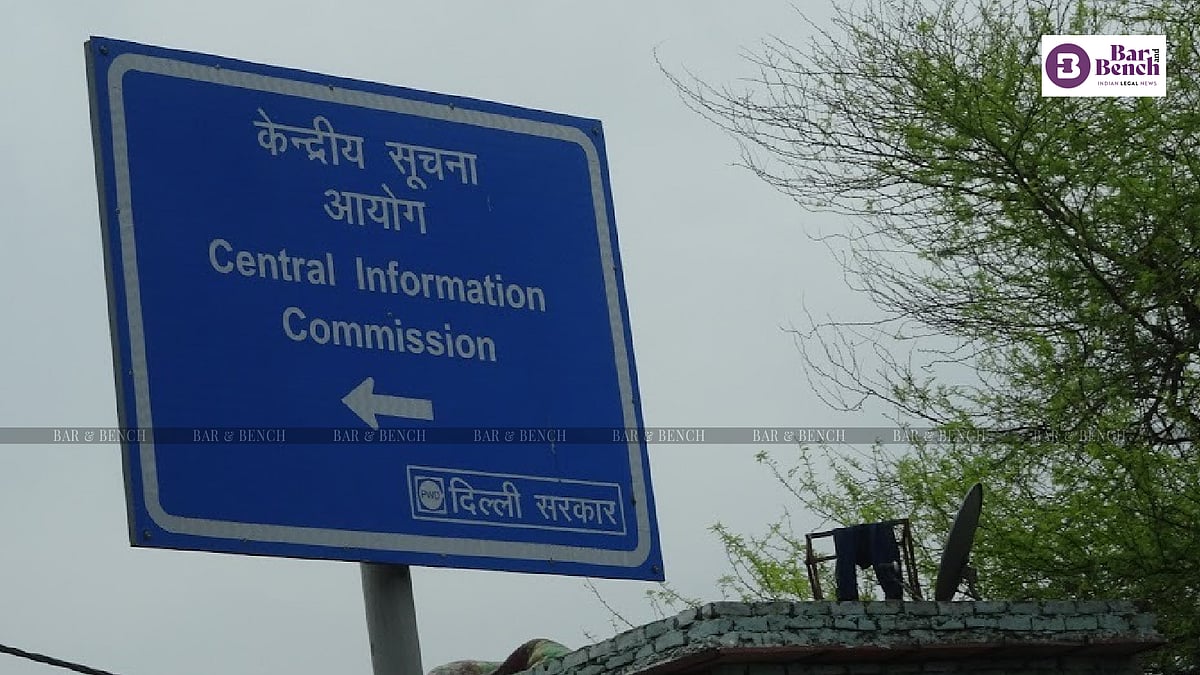
The Bombay High Court has clarified that public authorities are not required to retrieve information from third parties to fulfill RTI requests. This ruling emphasizes the boundaries of obligation imposed by the Right to Information Act.

The IBBI has directed its CPIO to quickly dispose of RTI applications that seek information on valuation guidelines, stressing the importance of adhering to RTI timelines. This order highlights the accountability of public authorities under the RTI Act.

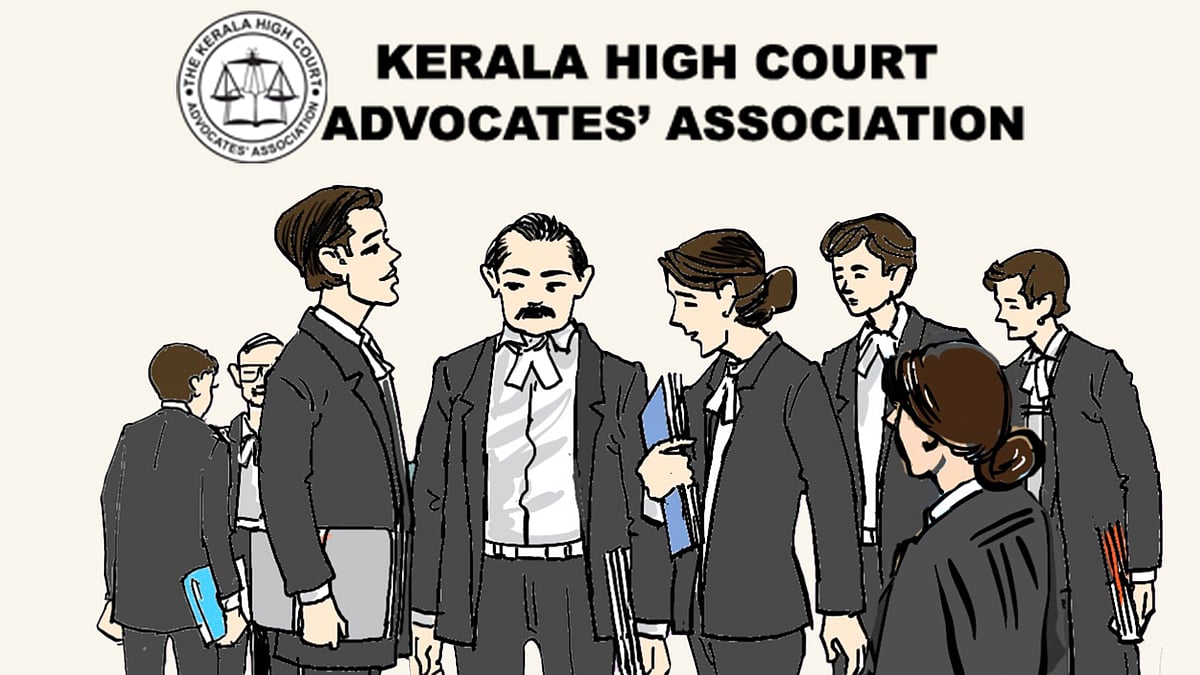
The Kerala High Court Advocates' Association has pushed for the immediate enactment of a Lawyers Protection Act following a violent attack on lawyers' family members. The incident highlights the urgent need for enhancing safety measures for legal professionals.
The Delhi High Court's ruling in the Saregama v. Ilaiyaraaja case delineates the evidentiary requirements for granting interim injunctions in copyright disputes, offering vital guidelines while leaving certain questions outstanding regarding validity and digital rights.
The Delhi High Court addressed the evidential threshold necessary to obtain an interim injunction in the Saregama case. This ruling clarifies the requirements for establishing copyright ownership at the interim stage amid evolving digital landscapes.

The Allahabad High Court has ordered the demolition of approximately 72 illegally constructed lawyers' chambers in Lucknow, asserting the need to maintain legal integrity and public space. The court warned of consequences for obstructing the demolition.

The NCLT has dismissed an insolvency petition against an education firm, ruling that pre-existing disputes must be resolved through civil remedies rather than under the IBC. This highlights the tribunal’s position on genuine disputes and the need for proper forum selection.

In a pivotal ruling, the Karnataka High Court upheld the appeal by New India Assurance, determining that the age proof and income disclosures in a deceased individual's Income Tax Return (ITR) serve as a legal admission that supersedes unproduced educational records. This ruling clarifies evidentiary standards in tax cases.
The Himachal Pradesh High Court ruled in SML Ltd. v. M/s Happy Agro Chemicals that isolated transactions cannot create territorial jurisdiction for patent infringement lawsuits. This decision is crucial for practitioners navigating jurisdictional challenges in intellectual property cases.
The Himachal Pradesh High Court ruled in SML Ltd. v. M/s Happy Agro Chemicals that isolated purchases cannot establish jurisdiction for patent infringement cases.

The Bar Council of India has introduced new regulations governing social media use by advocates, aiming to curb misleading legal content. Advocates and law students must disclose their status and the use of AI tools when sharing legal content.