
Various Courtsintellectual_property
Weekly Review of IP Developments (31 Aug - 6 Sep 2026)
This review highlights significant IP developments over the past week, including notable cases and regulatory updates.
Sep 10, 2026Read more →
AI-curated court updates, legal developments, and practice-area insights for Indian legal professionals.
This review highlights significant IP developments over the past week, including notable cases and regulatory updates.

SEBI proposes exempting listed issuers from mandatory appointment of merchant bankers for small-value private placements under Rs.10,000.
SEBI's Regulation 10(6) establishes a fixed tenure of five years for InvIT auditors but does not allow for shorter initial terms following the 2023 amendment.
SEBI has modified the FPI Master Circular, exempting foreign portfolio investors (FPIs) investing solely in government securities from providing investor group details, effective immediately.
A recent overview details the pricing mechanisms for frequently traded shares under SEBI ICDR regulations, clarifying the methods for volume-weighted average price versus market price.

This article outlines the powers of GST officers to visit business premises, including the scope of audits, inspections, and the legal basis for their authority under Rule 25. It emphasizes the procedural aspects of compliance for businesses.
The ITAT Delhi has struck down the addition made under Section 69A concerning cash found in a locker as insufficiently substantiated. The ruling highlights the necessity for credible material to support tax additions.
The ITAT Panaji has determined that an 8% profit margin is applicable to unaccounted bullion sales, thereby rejecting Section 115BBE. The ruling validates normal commercial practices over stringent penal provisions.
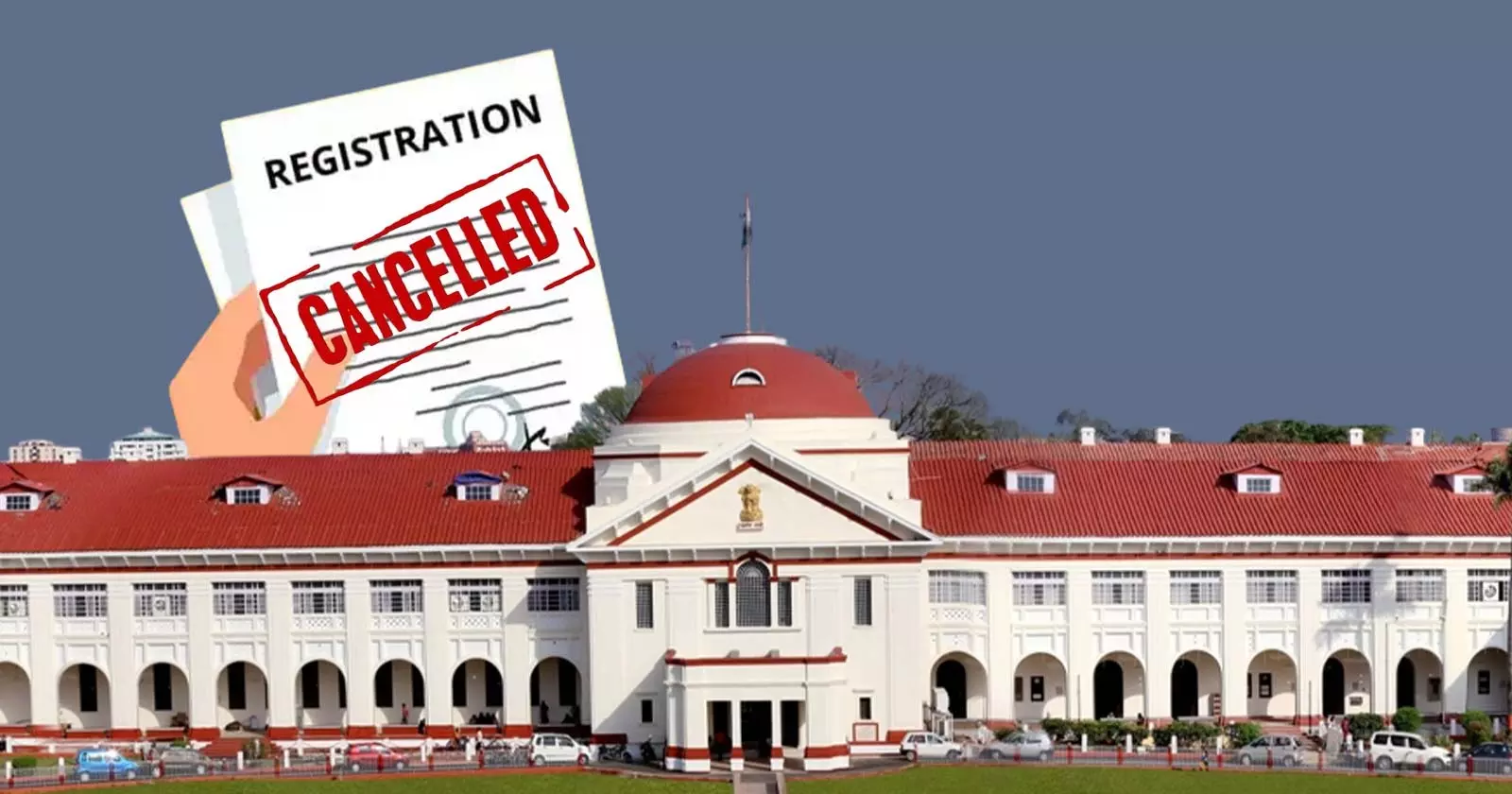
The Patna High Court has remanded a matter involving the cancellation of GST registration following the death of the sole proprietor. This ruling emphasizes the rights of legal heirs in tax proceedings.

The Delhi High Court allowed a taxpayer to file a belated revised return after discovering that the same income of Rs. 7.58 crore was taxed in both AY 2016-17 and AY 2018-19. This ruling highlights the importance of accurate tax assessments and the provisions for revising returns.

The NCLT has admitted a Corporate Insolvency Resolution Process (CIRP) in a case involving a ₹2.35 crore claim, affirming that evidence from invoices, TDS deductions, and part-payments substantiated the existence of operational debt.

In a recent judgment, the NCLAT rejected the admission of a claim for ₹1,885.08 crores as it conflicted with a previously adjudicated debt of ₹241.27 crores. The ruling emphasizes the importance of consistency in debt claims during insolvency proceedings.

The NCLAT has dismissed an appeal concerning interlocutory directions that enforced compliance with prior orders related to asset disclosure. The ruling asserts that compliance orders are not open to challenge if adequately justified.