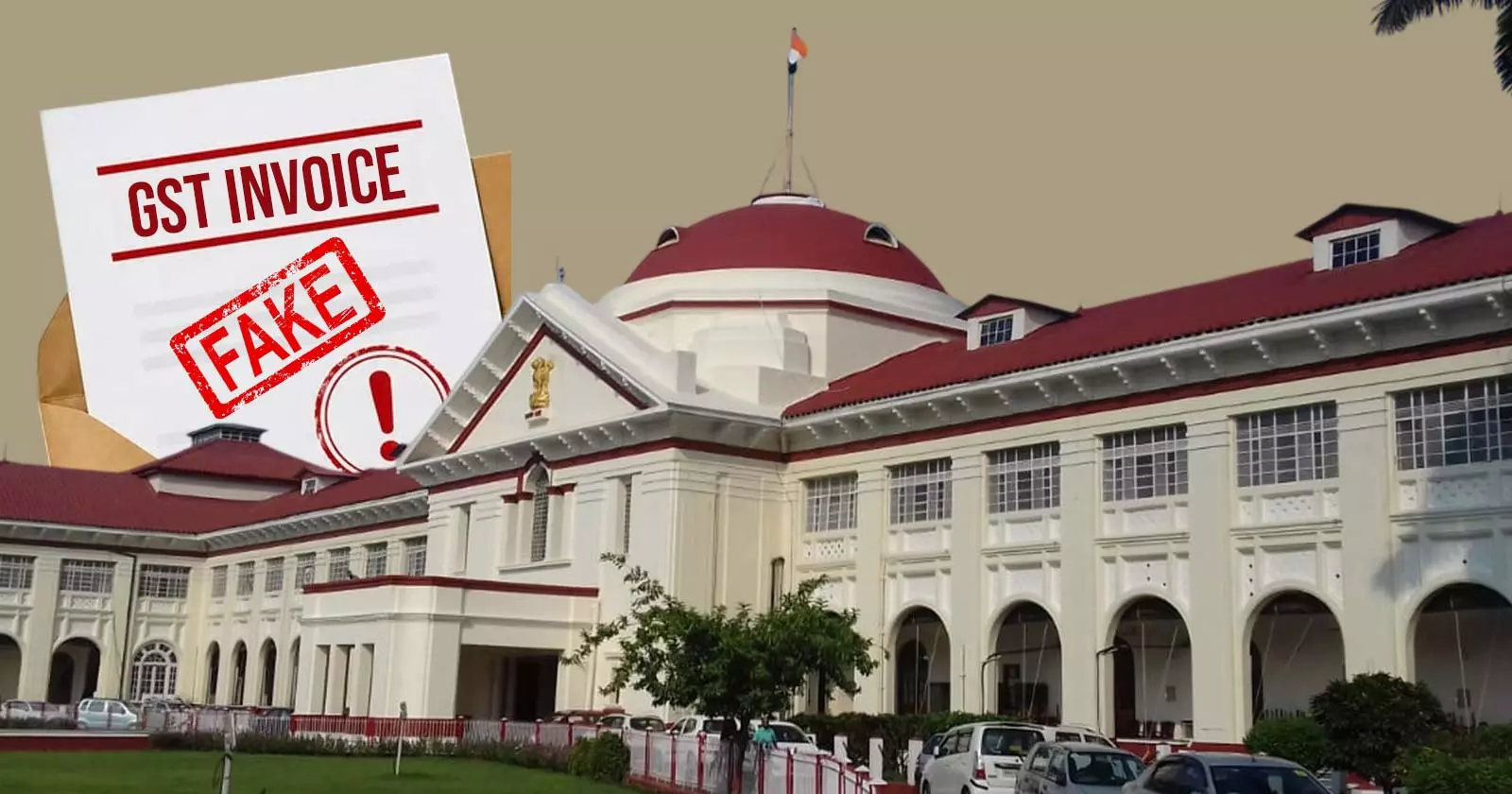
NCLT Rules ₹2,500 Fee for Nil GST Returns Excessive
The NCLT has ruled that a ₹2,500 monthly fee per state for filing nil GST-3B and GSTR-1 returns during Corporate Insolvency Resolution Process (CIRP) is unreasonable and excessive.
AI-curated court updates, legal developments, and practice-area insights for Indian legal professionals.

The NCLT has ruled that a ₹2,500 monthly fee per state for filing nil GST-3B and GSTR-1 returns during Corporate Insolvency Resolution Process (CIRP) is unreasonable and excessive.

The Patna High Court has refused to grant pre-arrest bail to a company shareholder accused of issuing 857 fake GST invoices. The court noted the accused's criminal record as a factor in its decision.

The ITAT has remanded a matter concerning a ₹70 lakh property purchase claimed as a gift from a husband, ordering fresh verification by the Assessing Officer. This emphasizes the importance of verifying claims of substantial gifts in taxation.
The ITAT has restricted the disallowance of fuel expenses to 5% due to practical difficulties in maintaining self-generated vouchers. This ruling addresses challenges faced by taxpayers in substantiating fuel expenses for tax purposes.

CMS INDUSLAW successfully guided Daxko LLC in acquiring FitnessForce, demonstrating expertise in corporate acquisitions.

CMS INDUSLAW successfully advised Godrej Industries on a $105 million issuance of unsecured non-convertible debentures, enhancing their financial market presence on the Indian stock exchange.

DSK Legal has successfully navigated the legal due diligence and closing processes for the acquisition of Camascope by Person Centred Software, which includes its Indian subsidiary. The transaction involved collaboration with multiple law firms.

Kanari Nutrition Private Limited, operating as Supply6, successfully raised capital from a Series A fundraise totaling ₹XXX million. Legal advisors Lex Consult and JSA Advocates facilitated the transaction, representing Supply6 and lead investor Unilever Ventures, respectively.
The CESTAT has clarified that the limitation period under Section 85(3A) should be counted in calendar months rather than in days. This ruling remands the appeal for a decision on its merits.
The Reserve Bank of India has introduced Master Direction on Credit Derivatives to regulate this emerging market segment effectively. The directions will impact all participants in the credit derivatives market.
SEBI has introduced the GARUDA mechanism to expedite AIF scheme launches, aiming to enhance efficiency while maintaining regulatory oversight.
The RBI has fined Bank of Baroda ₹63.60 lakh for non-compliance with KYC and Fair Practices Code regulations.
The Reserve Bank of India has levied a monetary penalty of ₹3.10 lakh on GIC Housing Finance for KYC non-compliance under the 1987 Act.