RBI Directives Aim for Local Area Banks' Customer Protection
The RBI has issued directives for Local Area Banks to enhance customer protection and responsible banking conduct, addressing unauthorized electronic banking transactions.
AI-curated court updates, legal developments, and practice-area insights for Indian legal professionals.
The RBI has issued directives for Local Area Banks to enhance customer protection and responsible banking conduct, addressing unauthorized electronic banking transactions.
New RBI guidelines for Regional Rural Banks sharpen focus on customer protection in electronic banking, crucial for ensuring trust and security in the banking landscape.
The RBI has released comprehensive directives for Urban Co-operative Banks, focusing on customer protection in electronic transactions to uphold responsible banking practices.
The RBI has consolidated instructions for Rural Co-operative Banks regarding customer protection in electronic transactions, underscoring responsible business practices in the banking sector.
SEBI has revised the Employees' Service Regulations, 2001, implementing new guidelines on investment, disclosure, and recusal provisions. The amendments will come into effect from July 2026.
The Reserve Bank of India has disclosed the results of a recent government stock auction, revealing competitive bids and corresponding yields. This information is crucial for investors and financial institutions engaged in government securities.
Multiple State Governments are set to auction securities worth ₹24,800 Crore in total, with Andhra Pradesh leading the auction. The auction will feature various tenors and types, underscoring significant borrowing activities by the states.
The Calcutta High Court has mandated the completion of liquidation processes for 32 banking companies within six months, establishing a reporting structure to the RBI.
The Reserve Bank of India has officially removed Coӧperatieve Rabobank U.A. from the Second Schedule of the RBI Act after its banking status was revoked. This reflects ongoing regulatory compliance and oversight efforts.

The Madras High Court has ruled in favor of Tata Refractories, permitting CENVAT credit on furnace oil utilized in the production of exempt intermediate goods for dutiable final products.

In a significant procedural order, the Calcutta High Court has directed the transfer of Rs. 1.38 Crores to a one-man committee while the main Tower Infotech case awaits further hearing.

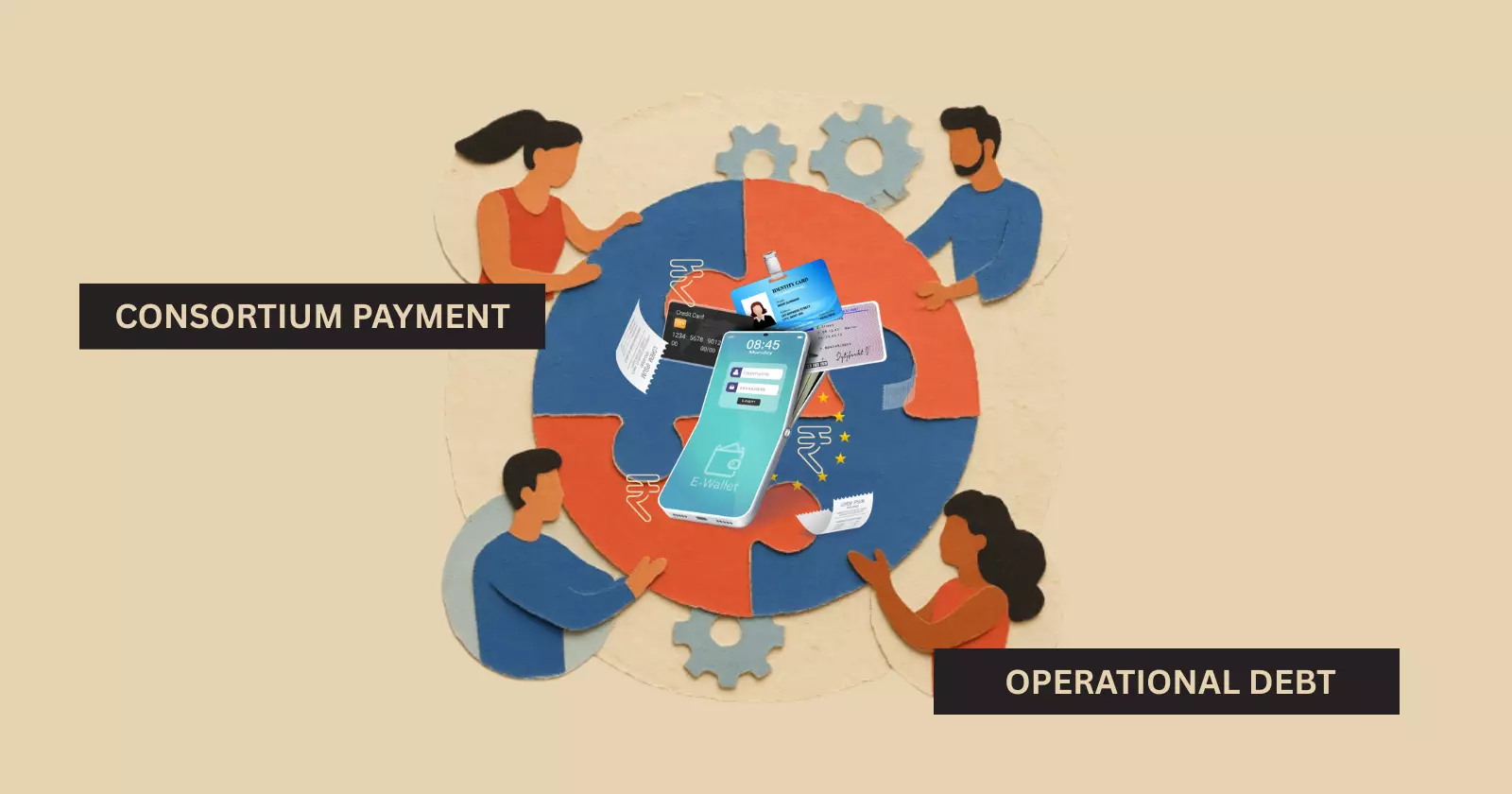
The NCLAT has ruled to classify a ₹8 crore consortium payment as operational debt, allowing an application for insolvency under Section 9.

The NCLAT orders APDCL to pay ₹37.66 lakh with interest, ruling against the set-off plea, reinforcing the distinct nature of legal entities under the IBC.