
N/Acorporate
Late CSR Fund Transfer Penalty Imposed
ROC Haryana imposed significant penalties for late transfer of unspent CSR amounts, highlighting the regulatory requirement for timely fund allocation.
May 26, 2026Read more →
AI-curated court updates, legal developments, and practice-area insights for Indian legal professionals.
ROC Haryana imposed significant penalties for late transfer of unspent CSR amounts, highlighting the regulatory requirement for timely fund allocation.
Under the Companies Act, 2013, the issuance and transfer of securities in dematerialised form is mandatory for most public and private companies, enhancing transparency and reducing fraud risk.

The National Shipping Board Rules, in effect since 1960, have been replaced, marking a significant regulatory change. The updated rules aim to enhance oversight and operational efficiency in the shipping industry.

The NCLT has admitted an insolvency plea against an online gaming firm for defaulting on a ₹2.81 crore loan. Swapnil Jain has been appointed as the Interim Resolution Professional to manage the firm's affairs.
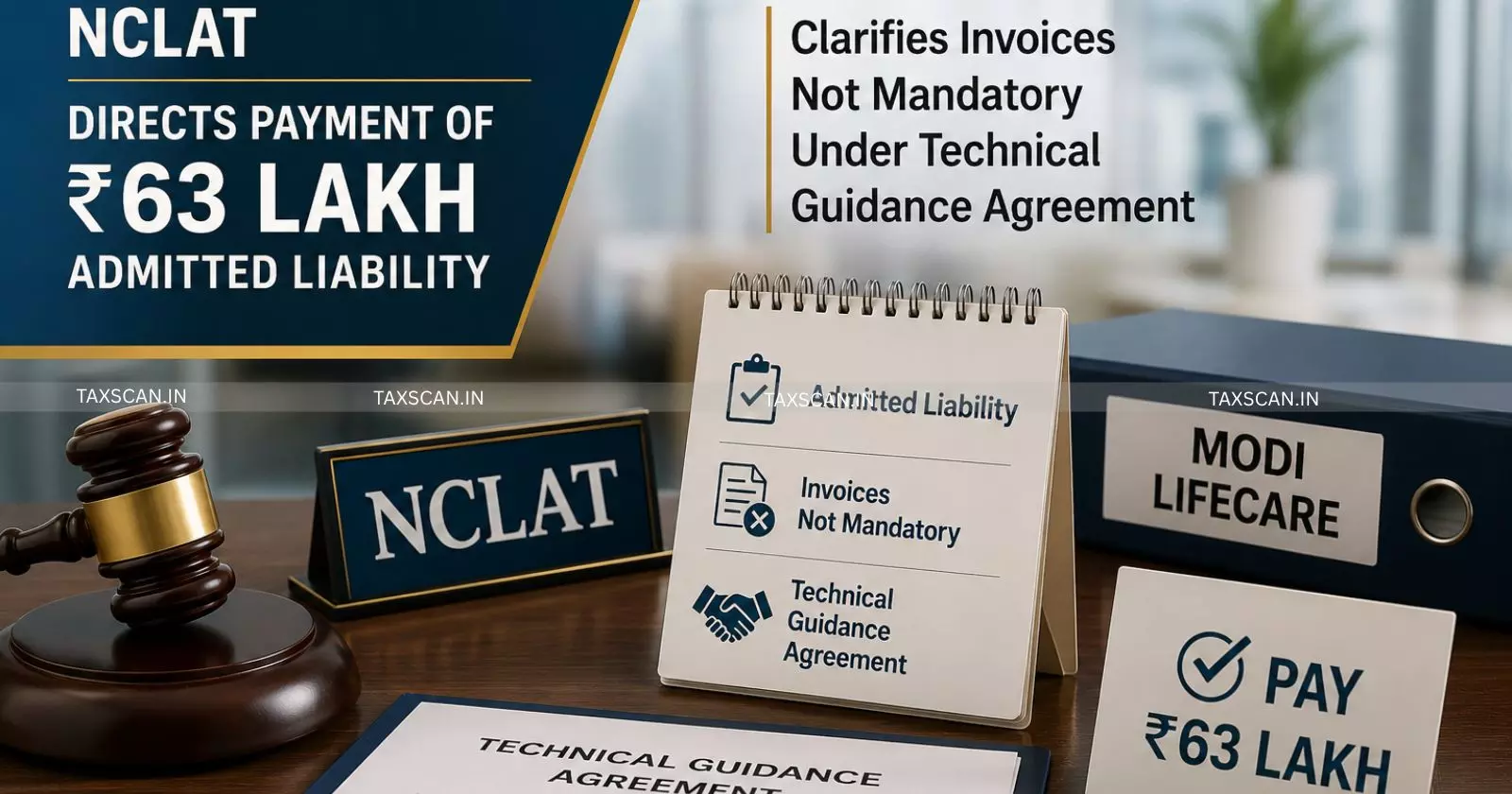
The NCLAT has ruled that invoices are not mandatory to establish operational debt under the Technical Guidance Agreement, which entails a fixed royalty obligation. This ruling has significant implications for the enforcement of contractual liabilities.

The Delhi High Court has acquitted a Muslim man convicted in a 2008 interfaith marriage case, ruling that the relationship was consensual. This highlights complexities in interfaith marriages within deeply divided societal contexts.
The NCLAT directed Modi Lifecare to pay ₹63 lakh, clarifying invoices are not mandatory under the Technical Guidance Agreement. The ruling emphasizes the contract's obligatory nature for royalty payments.

The Calcutta High Court ruled that an ITR filed before a claimant's death substantiates earning capacity, and deducting personal expenses by 50% was deemed erroneous. Bajaj Allianz General Insurance has been ordered to pay enhanced compensation.

The Calcutta High Court ruled that all reassessment proceedings post-September 1, 2024, must adhere to the amended provisions of Section 149 of the Income Tax Act. This decision reaffirms a Supreme Court verdict, establishing the retrospective application of the new limitation period.

The Income Tax Appellate Tribunal (ITAT) ruled that a notice under Section 148 cannot be considered timely merely due to an earlier date if served beyond the limitation period.
The Calcutta High Court has quashed ongoing IGST refund proceedings, determining that the omission of Rule 96(10) renders the basis for show-cause notices invalid. This decision addresses the legal implications of procedural lapses in tax assessments.

The RBI amended the Responsible Business Conduct Directions for Regional Rural Banks to improve corporate governance and ethical practices within the sector, responding to ongoing challenges in asset management.
The Reserve Bank of India issued amendments to the Credit Risk Management Directions for Non-Banking Financial Companies to enhance frameworks dealing with asset quality risks.