GSTAT Directs JC Appeals to Verify GST Documents and Pass Reasoned Order
The GST Appellate Tribunal (GSTAT) has ruled that Joint Commissioner Appeals cannot remand matters without verification, emphasizing the necessity of passing reasoned orders.
AI-curated court updates, legal developments, and practice-area insights for Indian legal professionals.
The GST Appellate Tribunal (GSTAT) has ruled that Joint Commissioner Appeals cannot remand matters without verification, emphasizing the necessity of passing reasoned orders.
The GST exemption on notebooks creates an inverted duty structure, affecting Indian MSMEs negatively against low-cost ASEAN imports. This article examines the implications for domestic manufacturers.
The Gujarat High Court has quashed an income tax reopening under Section 148, ruling that it was based on borrowed satisfaction without independent verification. This decision emphasizes the need for credible assessment processes.

The Delhi High Court ruled that a successor assessing officer (AO) cannot reopen an income tax assessment solely due to a differing opinion from the original AO, provided the original AO thoroughly evaluated the submissions of the assessee.

The Karnataka High Court has clarified that the limitation period for filing an appeal against a service tax adjudication order begins upon the communication of that order to the concerned parties.

The Delhi High Court has ruled that a successor Assessing Officer (AO) cannot reopen an income tax assessment solely based on a differing opinion from the original AO, reaffirming the sanctity of previous assessments.
The Rajasthan High Court has granted interim protection from arrest to a former director involved in a GST input tax credit fraud case, allowing interrogation by the Directorate General of Goods and Services Tax Intelligence (DGGI) under specified conditions.

The Karnataka High Court ruled that the six-month limit under Section 35(4)(b) of the KVAT Act does not prohibit refunds deemed due during a reassessment. This ruling clarifies the interpretation of refund claims in light of reassessment findings.
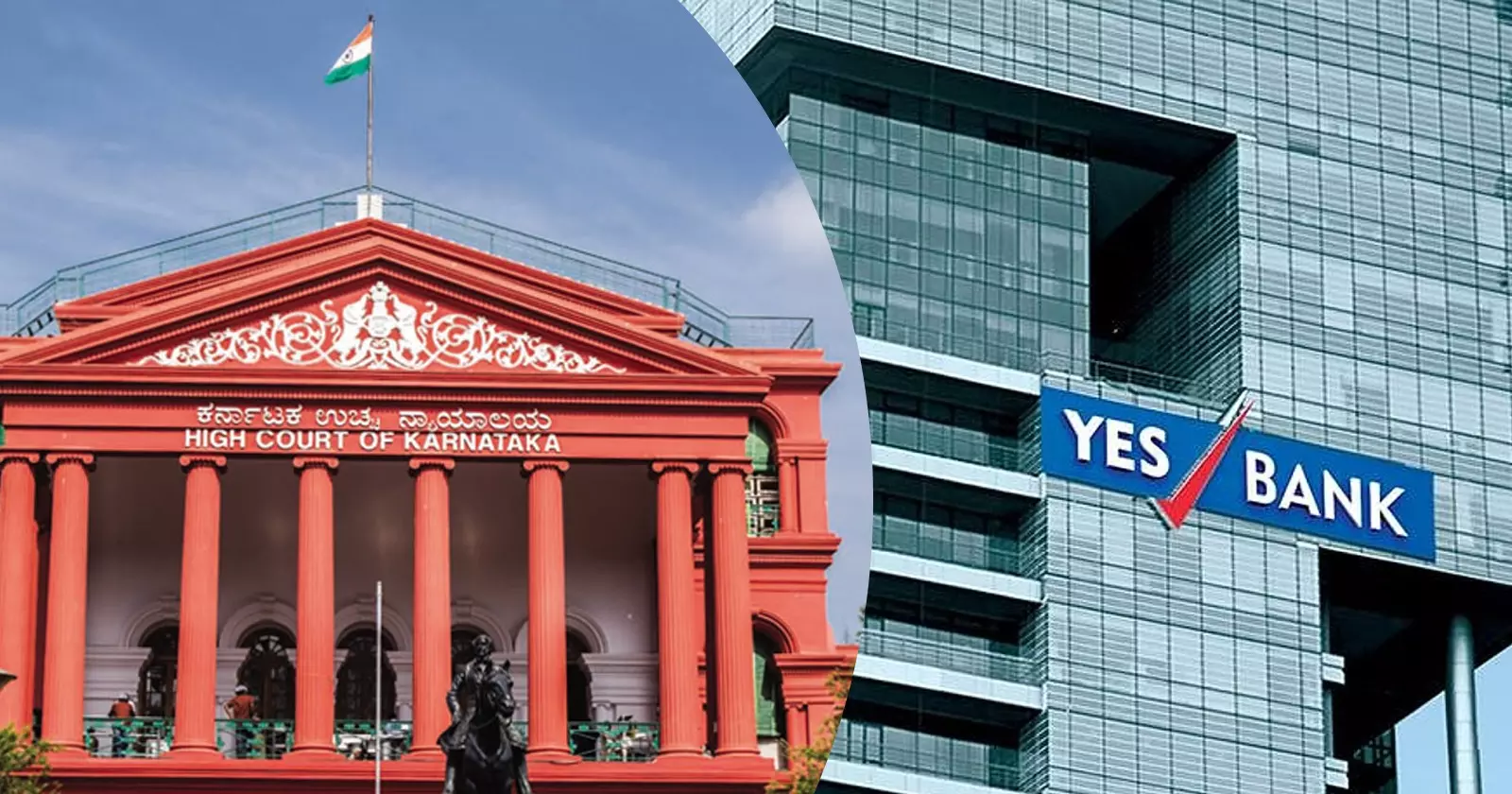
The Karnataka High Court has upheld a ₹12.61 lakh KVAT demand against Yes Bank, affirming the findings related to the turnover discrepancies in the bank's bullion purchase figures. The court found no perversity in the turnover calculations as argued by the bank.
The ITAT Delhi has set aside reassessment orders concerning assessments where the total profit reported was below ₹50 lakh, ensuring that reopening cannot occur beyond three years.
The Fourth Amendment to FEMA Non-Debt Instruments Rules, 2019 now permits inventory-based e-commerce exports of Indian goods, providing a significant boost to e-commerce businesses. This amendment is consistent with the Foreign Trade Policy 2023.
The Madras High Court quashed a ₹4.56 crore customs duty demand against a clearance facilitator, ruling that insufficient evidence was provided to establish liability. This decision emphasizes the necessity for strong evidentiary support in customs-related penalties.
The Gujarat High Court has ruled that customs authorities cannot indefinitely detain an imported vehicle without a seizure order, ordering the release of a Land Cruiser held beyond the statutory limit. This ruling emphasizes the necessity for procedural compliance from customs officials.