MCA Notifies Companies (Ind AS) Amendment Rules, 2026
The Ministry of Corporate Affairs has issued the Companies (Ind AS) Amendment Rules, 2026, incorporating significant changes to various standards effective from April 1, 2026.
AI-curated court updates, legal developments, and practice-area insights for Indian legal professionals.
The Ministry of Corporate Affairs has issued the Companies (Ind AS) Amendment Rules, 2026, incorporating significant changes to various standards effective from April 1, 2026.
The Karnataka High Court has granted interim protection to ASTRO 247, preventing the use and exploitation of disputed applications amid an ongoing IP ownership arbitration.
The Reserve Bank of India has issued amendments to the Priority Sector Lending framework, adjusting the targets and classifications to align with current economic needs.
The SAFEMA Tribunal has upheld the benami attachment of ₹98 lakh relating to demonetized cash and RTGS transfers, reinforcing the framework against benami transactions.
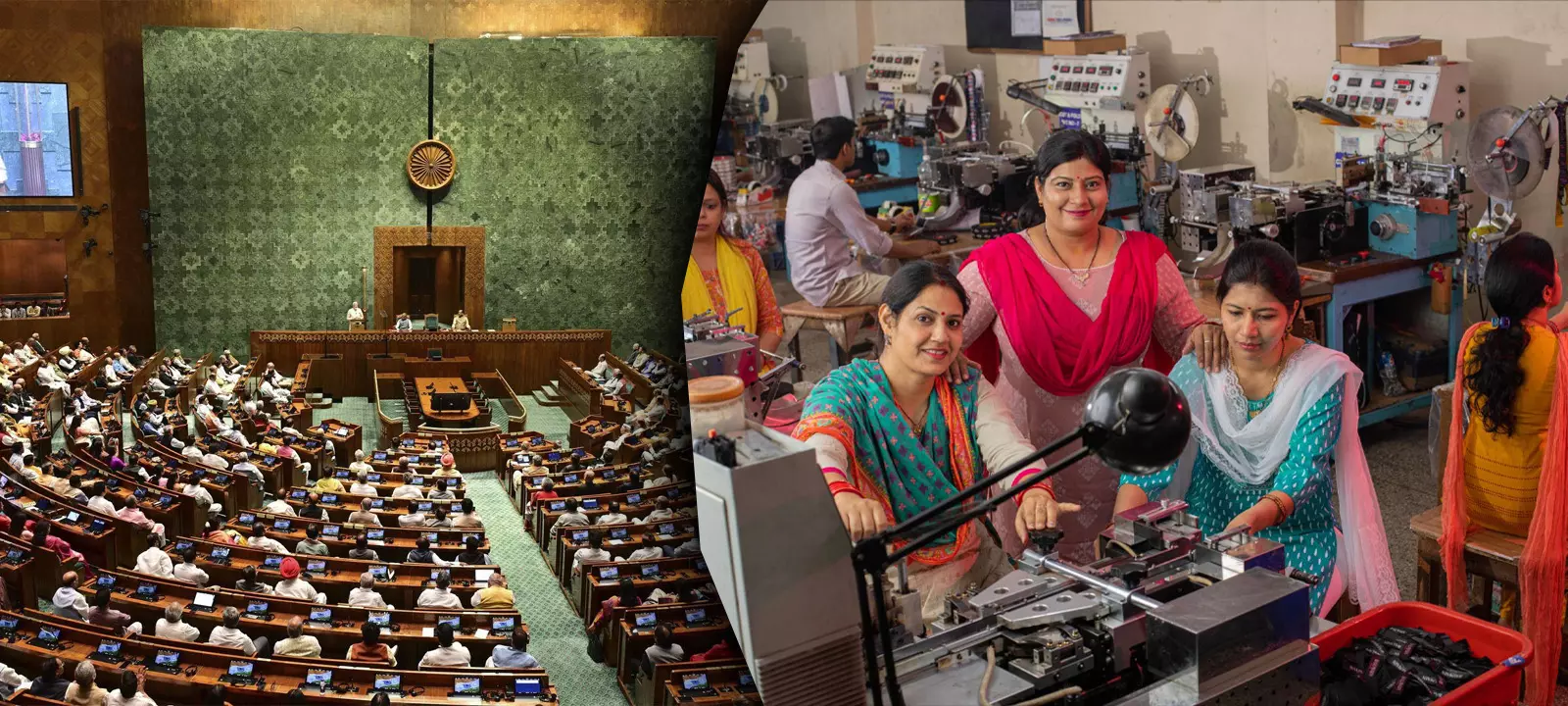
The MSME Development Amendment Act 2026 introduces provisions for digital registration and streamlining of dispute timelines, enhancing operational efficiencies for micro, small, and medium enterprises.
The MSME Development Amendment Bill 2026 introduces key reforms for payment processes and dispute resolutions, including revised classifications and enabling the recovery of dues for MSMEs.
The NCLAT has permitted a financial claim on an uninvoked corporate guarantee during the Corporate Insolvency Resolution Process (CIRP), affirming that the Resolution Professional cannot unilaterally reject valid claims. This reinforces the security of corporate guarantees in insolvency proceedings.
Recent data indicates significant foreign exchange inflows via FCNR(B) deposits and ECBs under the RBI's Forex Swap facility. This facility was established to enhance forex liquidity.
The RBI will conduct a 7-day Variable Rate Reverse Repo Auction on August 17, 2026, with a ceiling amount of ₹2,00,000 Crore. This step is part of the ongoing liquidity management strategy.
The Madras High Court's analysis of evidence under Section 107A for regulatory approval highlights the complexities involved with the Bolar exemption. While clarity is provided, the ruling poses challenges for manufacturers that could hinder the provision's intended purpose.
The Delhi High Court's recent decision in Saregama v. Ilaiyaraaja addresses the evidentiary standards required for obtaining an interim injunction, clarifying the nature of copyright ownership in a digital context. This ruling leaves open questions on assignment validity and irreparable injury.
The Delhi High Court has requested clarity from Meta regarding its Rights Manager tool policies, amidst growing concerns regarding copyright enforcement under current intermediary liability frameworks. This situation is exacerbated by recent amendments to the IT Rules, which tighten obligations for intermediaries.

The Parliament has passed significant amendments to the MSME Development Act, aimed at alleviating compliance difficulties for micro, small, and medium enterprises. This marks a crucial legislative effort to support MSMEs in India.