Madras HC Orders Refund to Jewellery Manufacturer on Luxury Tax
The Madras High Court has declared a luxury tax applied to jewellery as legislatively incompetent, ordering the government to refund amounts collected from a jewellery manufacturer.
AI-curated court updates, legal developments, and practice-area insights for Indian legal professionals.

The Madras High Court has declared a luxury tax applied to jewellery as legislatively incompetent, ordering the government to refund amounts collected from a jewellery manufacturer.

The Jammu & Kashmir and Ladakh High Court has ruled that offences under Section 5(1)(d) of the J&K PC Act are considered scheduled offences under the PMLA, supporting the Enforcement Directorate's jurisdiction to investigate such offenses.

The Calcutta High Court has ruled that the denial of Input Tax Credit (ITC) cannot be automatic based on a supplier’s non-filing of GSTR-3B. This decision safeguards the rights of bona fide purchasers.

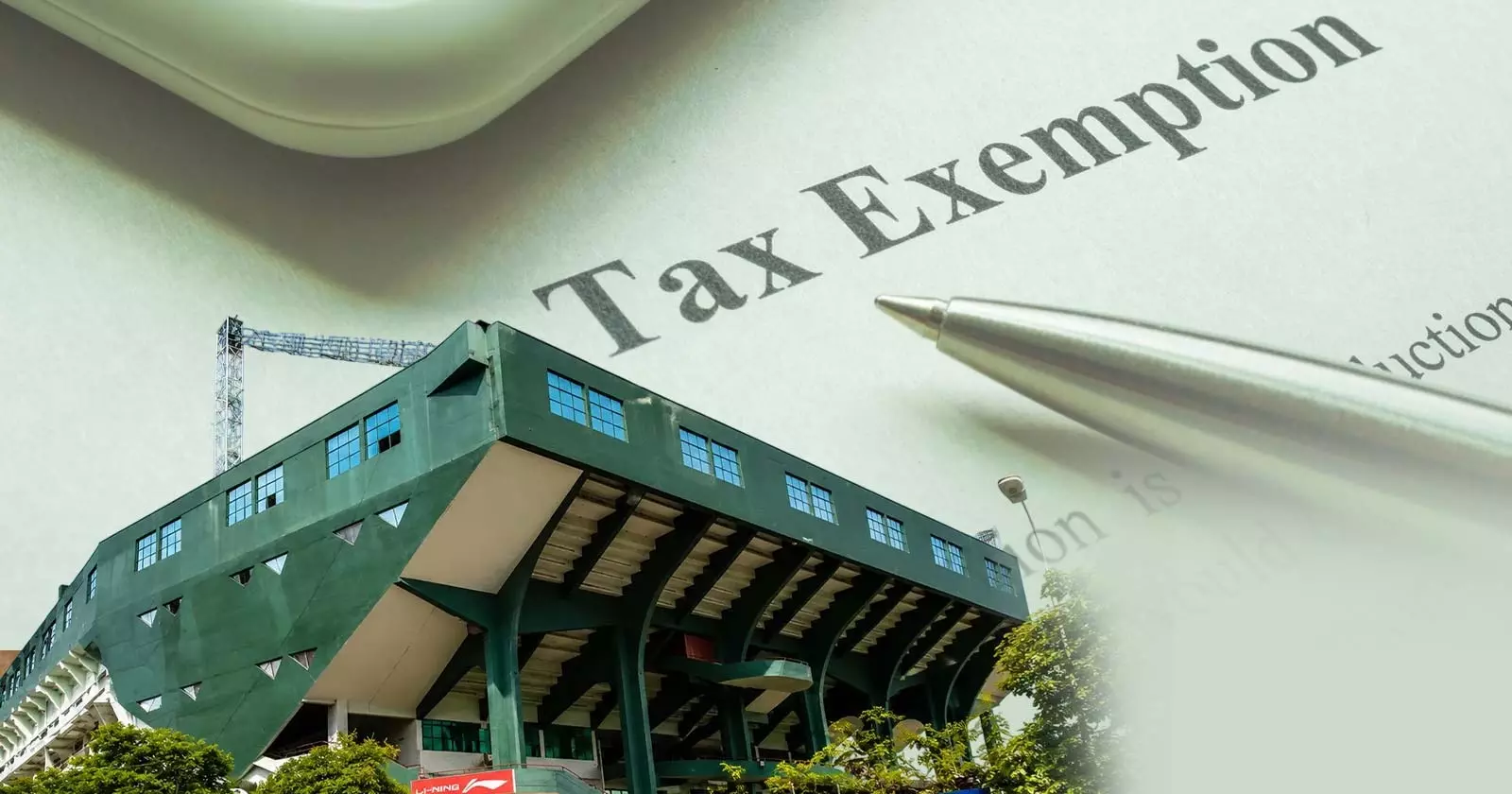
The Kerala High Court has directed the state government to re-evaluate the claim for building tax exemption made by a Regional Sports Centre. The decision underscores the need to consider the principal use of the buildings in question.

The ITAT ruled that proceeds from penny stock sales cannot be added under Section 68 without proper evidence linking the taxpayer to price rigging or entry operators. This decision aims to protect taxpayers from unwarranted tax liabilities in unclear transactions.

In a recent judgment, the ITAT ruled that the denial of a HRA exemption cannot be arbitrary and must consider supporting documents like rent notes and receipts. This clarification is vital for salaried taxpayers claiming HRA.

The Madras High Court ruled that a mere steep increase in share price does not automatically constitute bogus long-term capital gains (LTCG). The court emphasized that transactions conducted on a recognized stock exchange with routed consideration through banking channels are valid for tax exemptions under Section 10(38).
The Bombay High Court's ruling in Ashit Padhaya v. Assistant Controller emphasizes the necessity of disclosing evidence in patent opposition proceedings, mitigating potential biases.
The CGPDTM has introduced new guidelines aimed at regulating the use of AI in the patent examination process. This article discusses the objectives of the guidelines and their implications.
The recent discussions on AI in patent examination raise critical questions of accountability. This article explores the implications of using AI and the guidelines established by the CGPDTM.
Indian transfer pricing law clarifies the distinction between compensable corporate guarantee services and shareholder support. This differentiation is based on economic benefit, risk, and pricing.
The SAFEMA Tribunal has set aside a PMLA attachment worth ₹161.22 Crore after determining that the underlying scheduled offences were quashed or judicially interfered with. This ruling highlights the necessity of a predicate offence for imposing PMLA attachments.

Justice Ujjal Bhuyan has raised concerns about the lack of distinguished jurists appointed to the Supreme Court, noting that the relevant constitutional provision has been unused for 76 years.