
National Company Law Tribunal, Ahmedabadcorporate
RoC to Reconsider DIR-12 Filing: NCLT Ahmedabad
NCLT Ahmedabad directs RoC to re-examine disputed DIR-12 filing under Rule 11; refuses immediate removal of directors.
Oct 1, 2026Read more →
Latest court orders, judgments, and legal developments from Indian courts — AI-curated and summarized.
NCLT Ahmedabad directs RoC to re-examine disputed DIR-12 filing under Rule 11; refuses immediate removal of directors.

NCLAT Delhi closed the CIRP after creditors settled claims and the appellant agreed to pay costs, despite procedural impasse under Section 12A.
NCLAT upheld the restoration of Ganton Projects but reduced the ₹10 lakh cost imposed to ₹5 lakh, holding the original amount to be disproportionate under Rule 87A of the Companies Rules.

RBI amends investment portfolio rules for Small Finance Banks to ensure uniform valuation and risk management standards.
RBI amends investment portfolio rules for All India Financial Institutions. Focuses on classification and valuation clarity.
Exim Bank signs ₹4,850 crore LOC with Maldives govt for development projects. RBI notifies dealer banks on operational guidelines for disbursement.
RBI amends FEMA export-import rules to ease compliance and reflect trade developments. Key changes in documentation and reporting timelines.
RBI consolidates credit guidelines for SCs and STs into a single master circular. Ensures equitable access and better credit flow to marginalised communities.
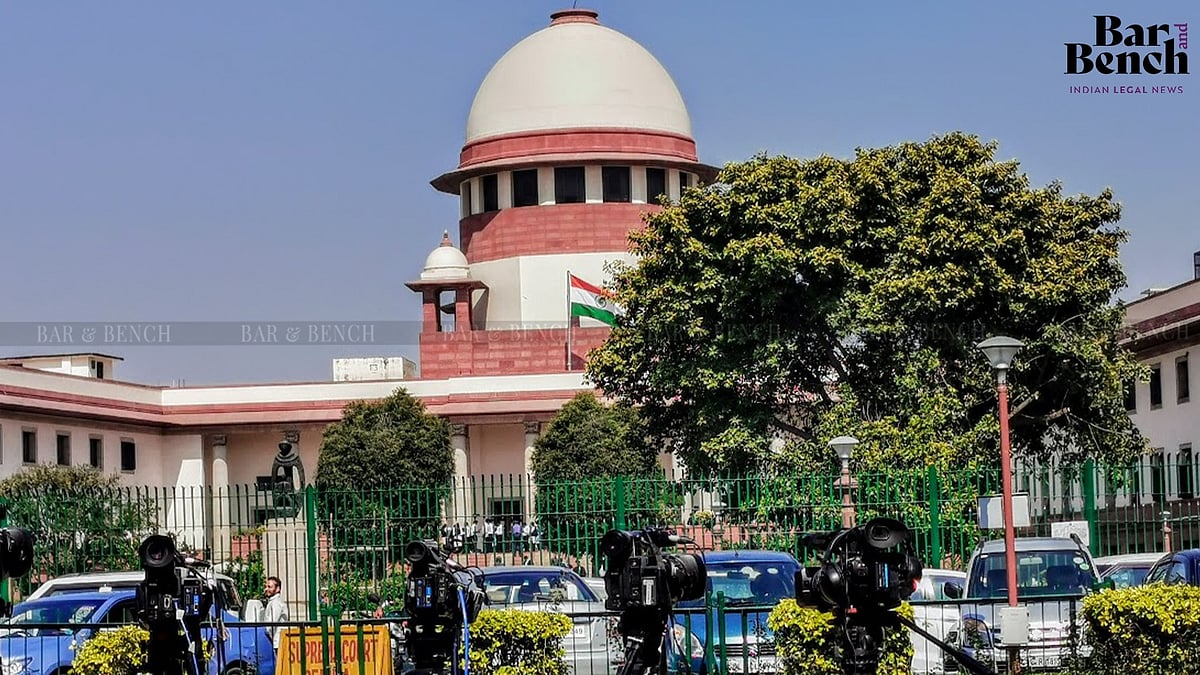
The Supreme Court has directed the registry to explain the abrupt removal of a batch of contempt petitions from the causelist, including a high-profile case on IPS officer deputations.

The Karnataka High Court has temporarily stayed investigation into criminal proceedings against Rishabh Telang, co-founder of Cult.fit, involving allegations of cheating, forgery, and criminal breach of trust.
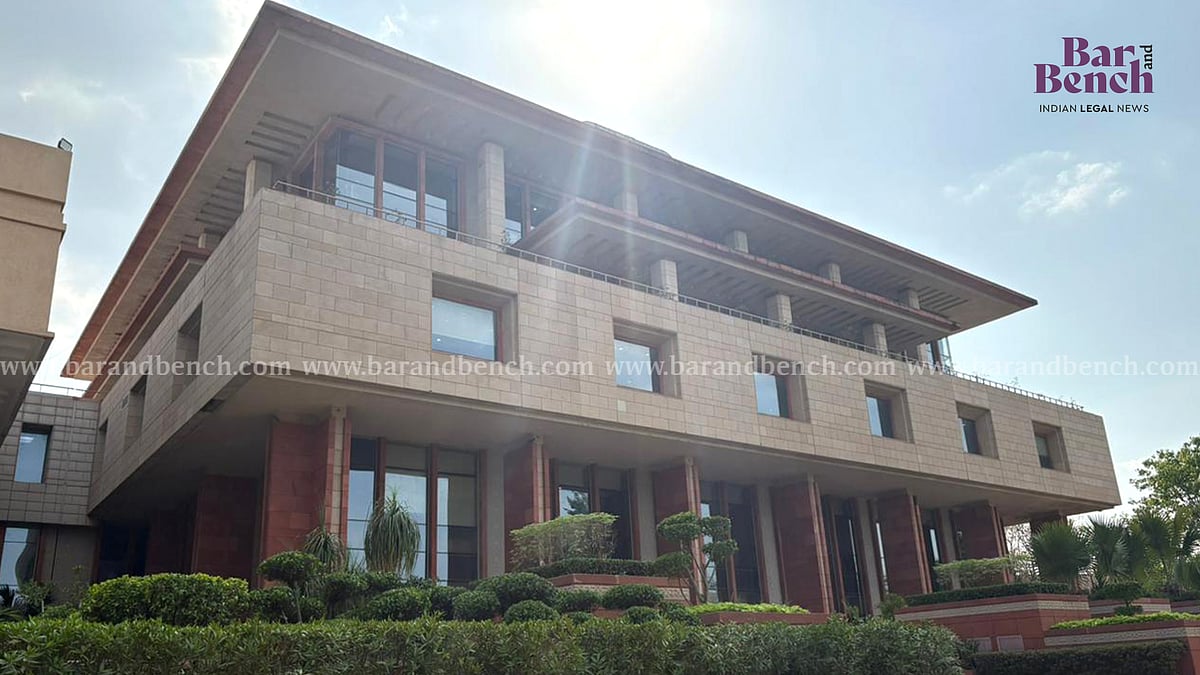
The Delhi High Court held that a magistrate cannot take cognisance of a private complaint under Section 223(1) of the BNSS without first examining the complainant and witnesses on oath and affording the accused an opportunity to be heard.
The RBI released the report of the Advisory Committee on Ways and Means Advances (WMA) to State Governments chaired by I S N Prasad. The committee reviewed state-wise WMA limits and financial accommodation mechanisms.