CESTAT Chennai Sets Aside Customs Penalty Without Proof of Contravention
The CESTAT Chennai has annulled a ₹4 lakh penalty imposed under Section 117 of the Customs Act, asserting that no contravention was established during the adjudication process.
Latest court orders, judgments, and legal developments from Indian courts — AI-curated and summarized.
The CESTAT Chennai has annulled a ₹4 lakh penalty imposed under Section 117 of the Customs Act, asserting that no contravention was established during the adjudication process.
The Delhi High Court has declined to entertain a writ petition concerning the starting point of the limitation period under Section 74(10) of the GST Act, directing the petitioner to pursue a statutory appeal instead.

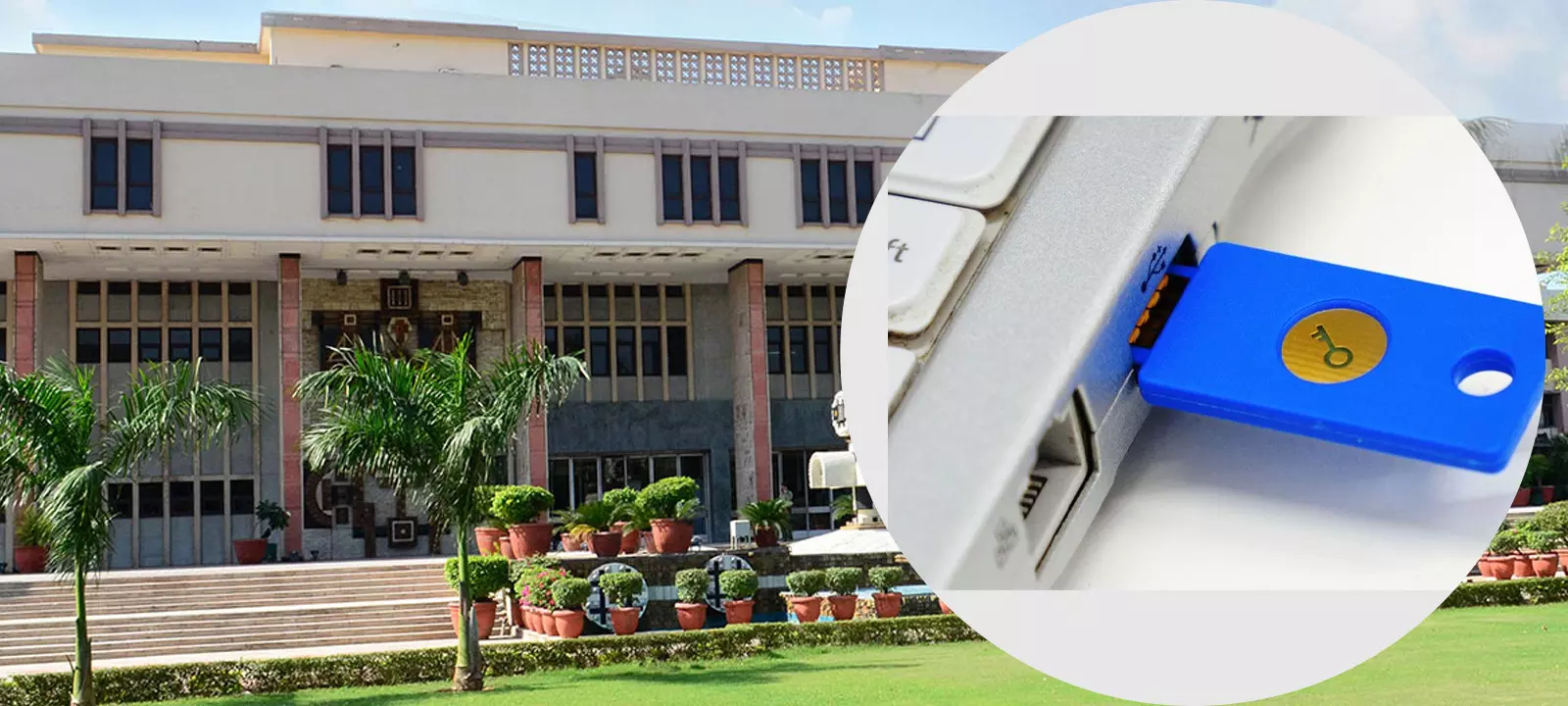
The Delhi High Court has ruled that lending a Customs Broker licence and dongle for a monthly fee violates regulatory requirements, underscoring the importance of compliance in customs brokerage practices.

The ITAT has ruled that documented purchases cannot be deemed bogus solely due to subsequent GST registration cancellations or a supplier's non-filing of income tax returns. This decision underscores the requirement for evidence linking purchasers to fraudulent transactions.

The ITAT has ruled that an assessment order lacking proper verification of unrecorded sales and corresponding purchases is subject to revision under Section 263 of the Income Tax Act. This reinforces the necessity of thorough verification in tax assessments.

The ITAT has quashed an income tax reassessment notice issued three days beyond the six-year limitation period, declaring it as without jurisdiction. This decision reinforces the importance of adhering to statutory timelines for reassessment notifications.

The ITAT has dismissed an appeal against Aditya Birla Sun Life Insurance, ruling that reinsurance premiums do not qualify as consultancy or technical services. The court found that Indian subsidiaries cannot be treated as permanent establishments for the payee as they did not provide reinsurance services.
The Rajasthan High Court has condoned a 101-day delay in filing a GST appeal, instructing the Appellate Authority to determine the appeal based on merits. This ruling points towards judicial leniency in procedural timelines.
The Calcutta High Court has granted Protiva permission to pursue an appeal under Section 107 of the CGST Act, acknowledging unique medical circumstances. The order showcases the court's discretion in the interest of justice.
The Supreme Court upheld the CESTAT ruling granting service tax relief for mining rights before 2016, denying Revenue's appeal for interference.
The Madras High Court has upheld the rectification of inadvertent GSTR-1 errors for fiscal year 2017-18, dismissing the Revenue's appeal. This ruling highlights the need for flexibility in tax compliance due to software limitations.

The ITAT ruled that a ₹21.60 lakh loan received by a wife from her husband cannot be treated as unexplained, provided proper documentation is presented. The decision shifts the burden to Revenue to establish its case.