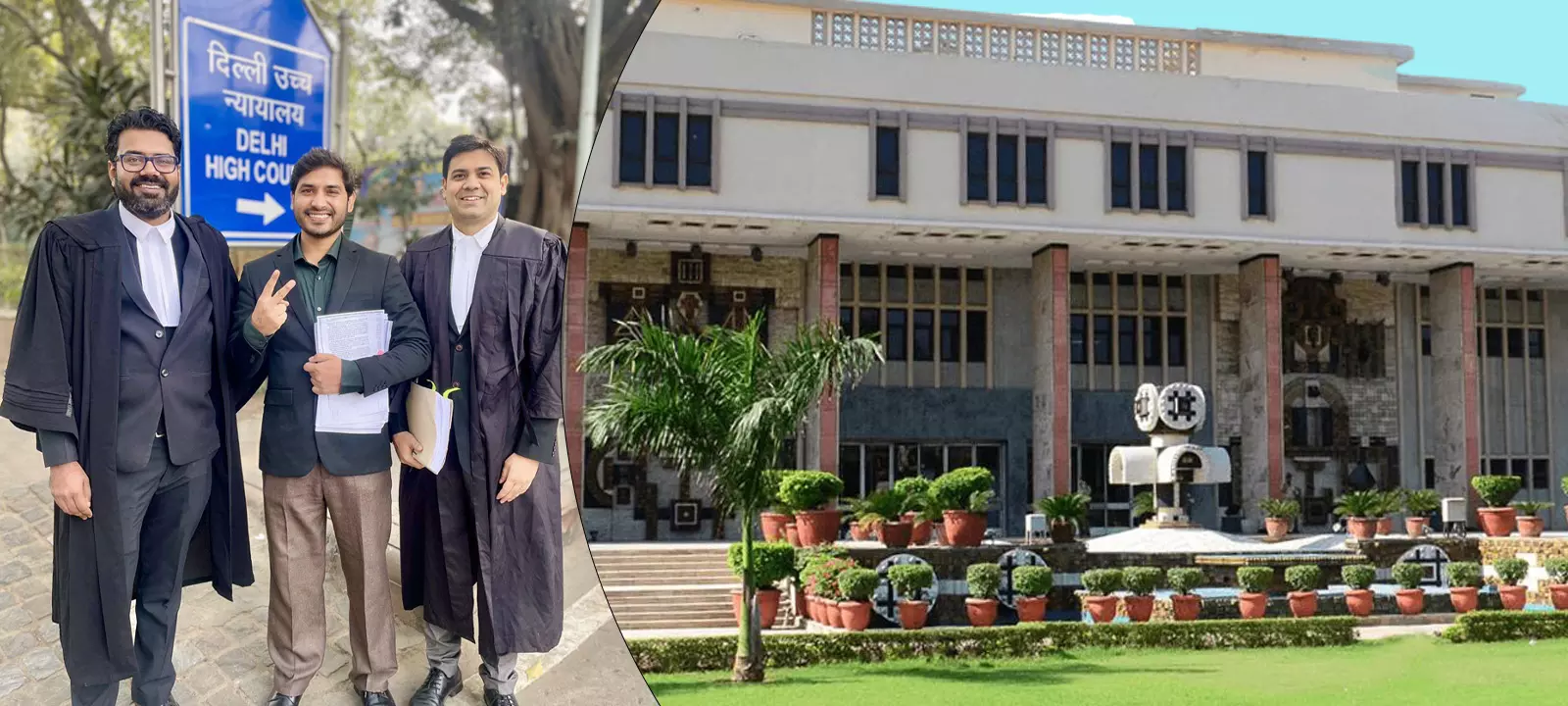
NCLAT Dismisses Appeal on Incomplete Resolution Plan
The NCLAT ruled that the appeal against the resolution plan is not maintainable. However, the Ayra Consortium retains the right to argue its intervention application at a later stage.
Latest court orders, judgments, and legal developments from Indian courts — AI-curated and summarized.

The NCLAT ruled that the appeal against the resolution plan is not maintainable. However, the Ayra Consortium retains the right to argue its intervention application at a later stage.
NCLT Mumbai has granted a waiver of the maintainability objection under Section 244(1)(b), allowing further proceedings in a petition regarding oppression and mismanagement.
The Supreme Court annulled a SARFAESI auction sale, citing non-compliance with payment rules, and provided a one-time opportunity for the legal heir to redeem the property. The ruling emphasizes adherence to auction procedures.
The Karnataka High Court denied a request to transfer a winding-up petition to the NCLT, ruling that the advanced stage of liquidation requires proceedings to continue in the High Court. This highlights jurisdictional issues in corporate insolvency cases.
The NCLAT annulled the admission of a Section 9 insolvency application due to the admitted debt being less than ₹1 crore, ordering a refund of ₹91.98 lakh. This ruling clarifies the threshold for invoking insolvency proceedings under Section 9.
New regulations prohibit SEBI employees and their families from making equity investments, marking a significant change for those in regulatory positions. The move aims to prevent conflicts of interest and ensure regulatory integrity.

The NCLAT has upheld the authority of the Committee of Creditors by limiting the insolvency professional's remuneration to ₹3 lakh, reinforcing the framework set by the IBC and IBBI regulations.
The RBI has undertaken a comprehensive review of circulars under FEMA to streamline and rationalize the regulatory framework, reflecting the evolving economic landscape.
The IBBI has suspended an Insolvency Professional for two years due to failures in asset valuation and disclosure during the Corporate Insolvency Resolution Process, emphasizing accountability in the field.
The Calcutta High Court dismissed a plaint challenging an NCLT-ordered valuation, stating a lack of territorial jurisdiction and statutory bar. This development emphasizes the importance of jurisdictional considerations in corporate law.

Under India's Data Protection and Digital Privacy Act (DPDP), organizations are required to provide clear, specific, and updated privacy notices. This marks a shift from generic policies to dynamic communication reflecting actual data practices.
The Central Drugs Standard Control Organization seeks feedback on brand name extensions by pharmaceutical companies. This marks a notable regulatory shift in oversight of pharmaceutical branding.