FeaturedGST Audit Set Aside for Not Considering Reply: P&H HC
Punjab and Haryana HC quashed GST audit notices under Section 74 after department failed to consider assessee's reply before finalizing audit report.
Latest court orders, judgments, and legal developments from Indian courts — AI-curated and summarized.
FeaturedPunjab and Haryana HC quashed GST audit notices under Section 74 after department failed to consider assessee's reply before finalizing audit report.
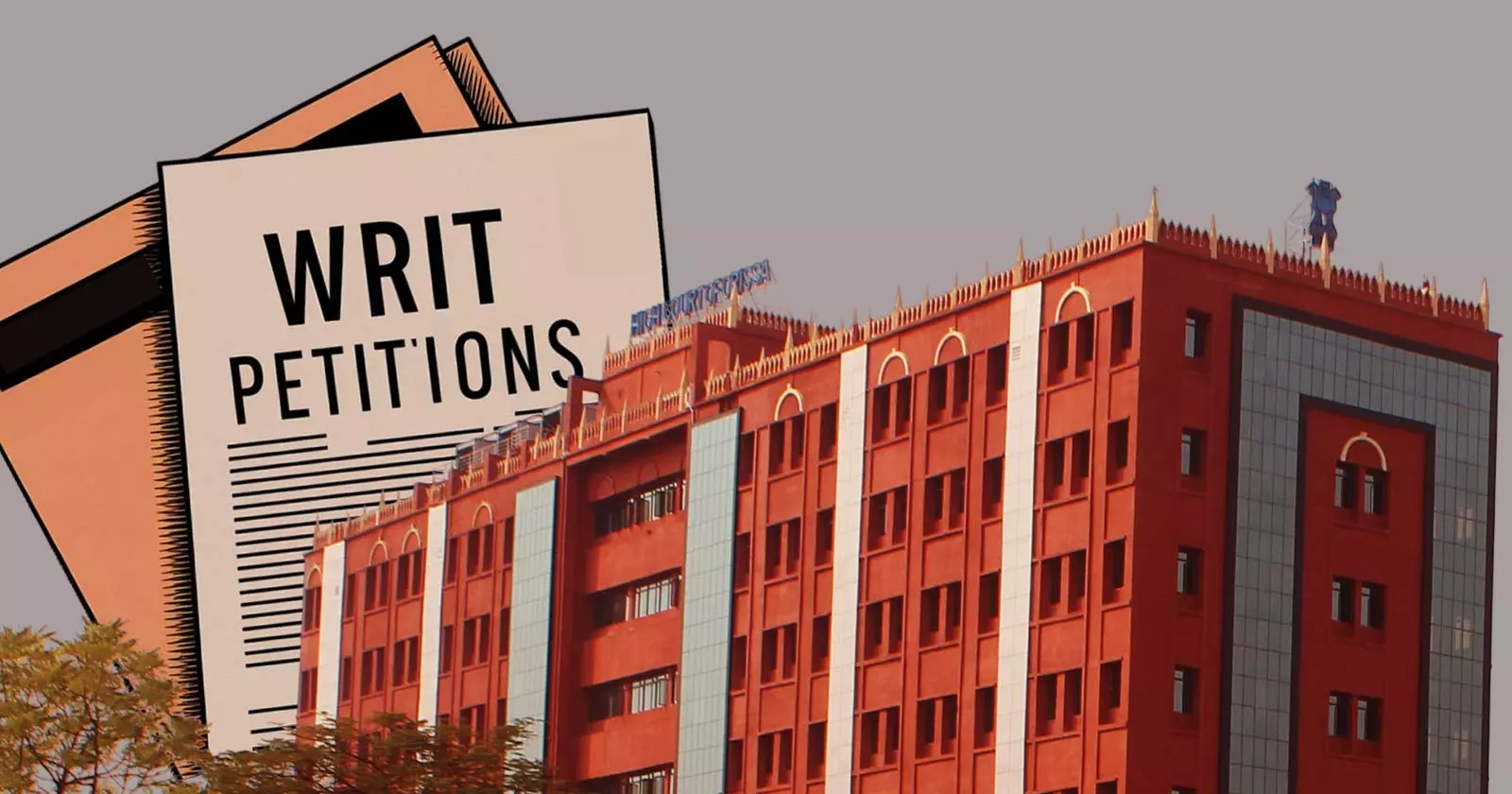
FeaturedOrissa High Court held that writ petitions under Articles 226/227 are maintainable against orders under Section 37(1) of the Arbitration and Conciliation Act, 1996, where there is egregious illegality, perversity, or lack of jurisdiction.
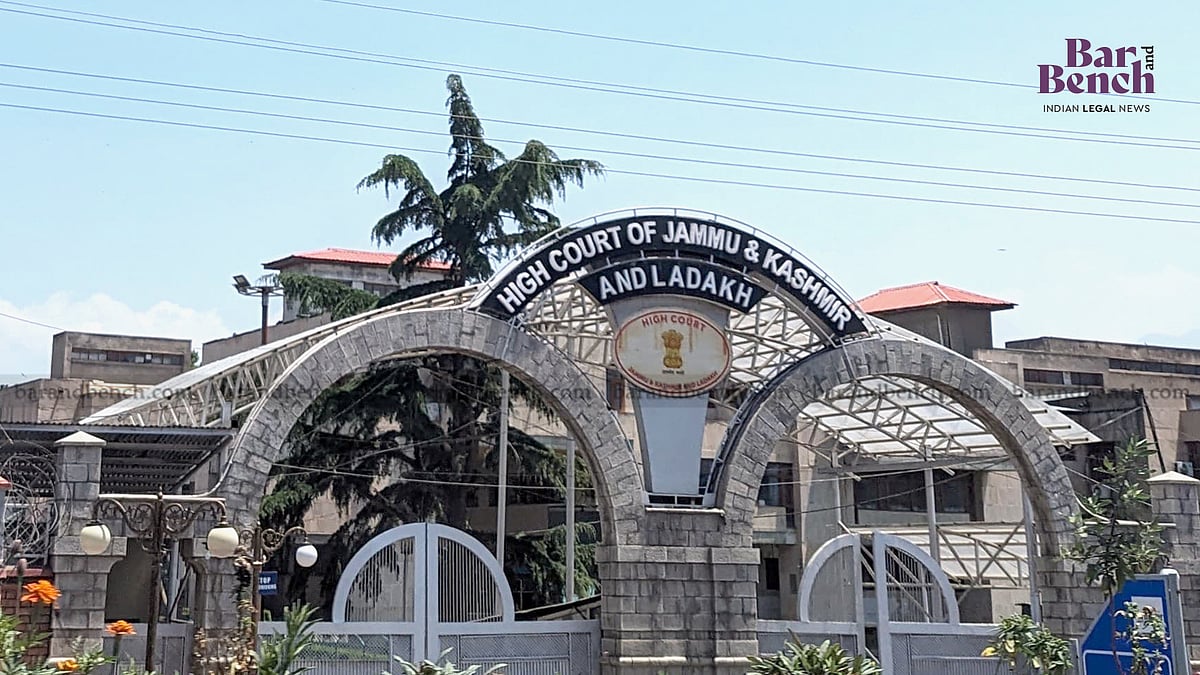
FeaturedThe Jammu and Kashmir High Court has ruled that raising secessionist slogans and inciting violence will prima facie constitute unlawful activity under the Unlawful Activities (Prevention) Act (UAPA). This ruling reinstates charges against Mohd Yousuf Lone, highlighting significant implications for similar cases in the region.
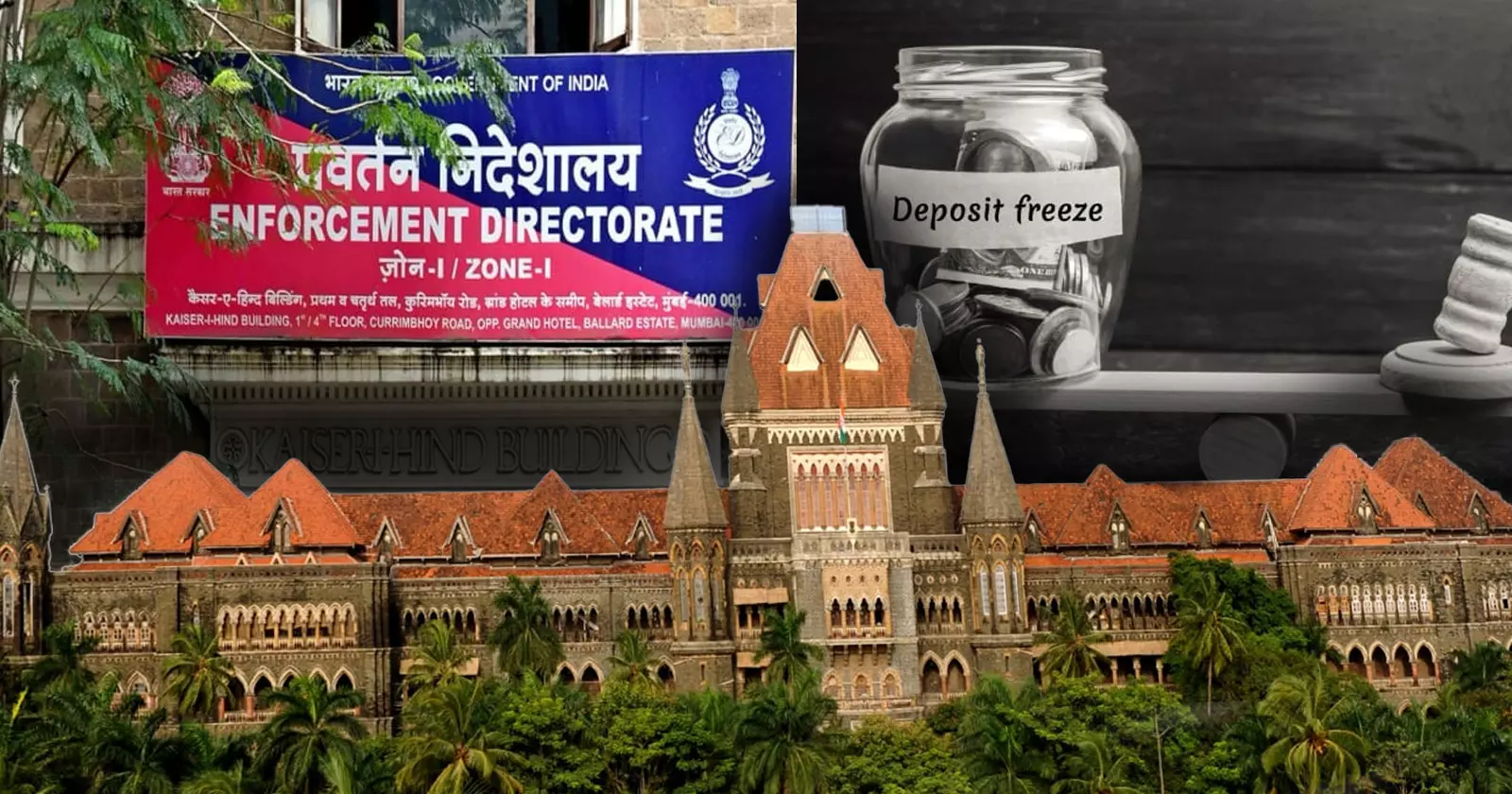
FeaturedThe Bombay High Court ruled that under Section 8(2) of PMLA, the ED must record a finding before freezing assets. This decision quashes the Enforcement Directorate's freeze on Rs. 100 crores belonging to Coda Payments, emphasizing the necessity for procedural adherence.
The Delhi High Court's recent decision in Hindustan Unilever Ltd. v. Kwick Living addresses complex jurisdictional issues raised by internet activities, reinforcing the need for clarity in digital legal frameworks.
The Calcutta High Court awarded ₹5 lakh to a patient suffering from partial blindness after cataract surgery, ruling that the state government is strictly liable for medical negligence. The court underscored the duty of care owed to patients by state healthcare facilities.
The Madras High Court ruled that preventing Dalits from entering temples on caste grounds constitutes untouchability, violating Article 17 of the Constitution.
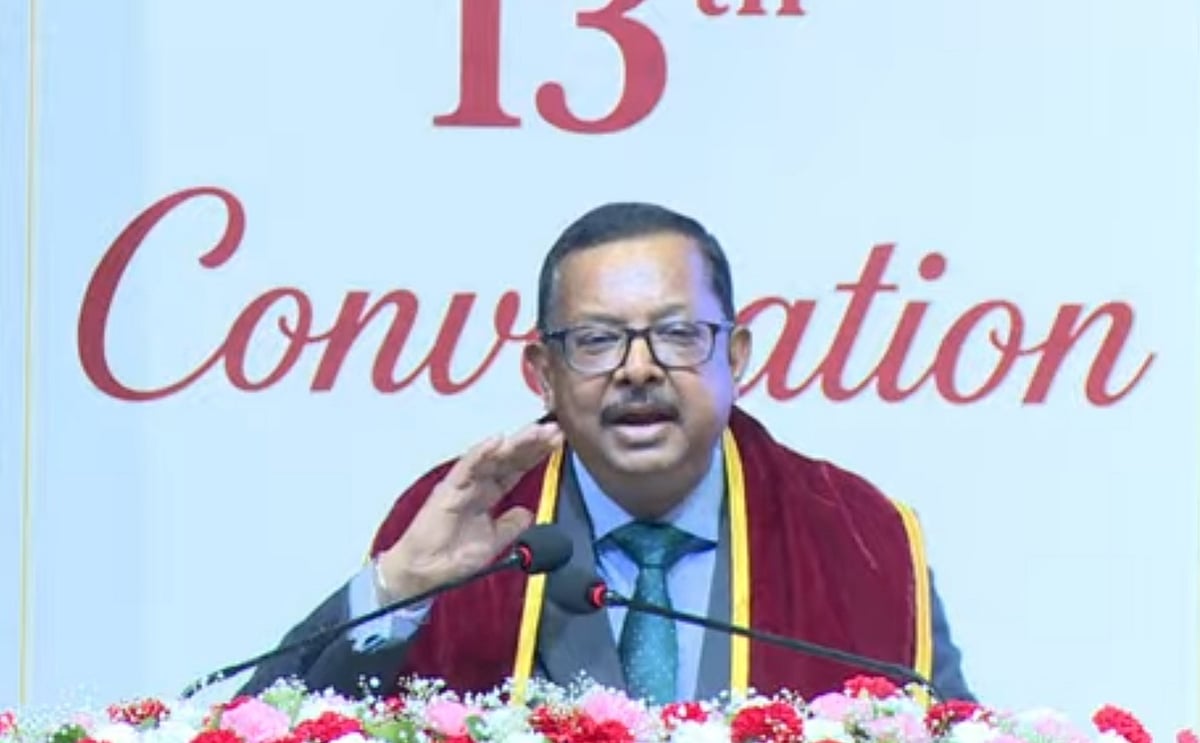
FeaturedIn a convocation address, Justice Ujjal Bhuyan emphasized the importance of freedom of expression for students and denounced punitive actions against dissenting voices.
FeaturedThe Ministry of Law and Justice has formally announced that the Tribunals Reforms Act, 2026 has come into effect as of August 25, 2026. The Act aims to enhance the functioning of various tribunals across India.
FeaturedThe Ministry of Law and Justice has officially notified the commencement of the Tribunals Reforms Act, 2026, enhancing the efficiency and functioning of tribunals in India. With immediate effect from August 25, 2026, this Act addresses the operational aspects of tribunal appointments and members.
FeaturedThe Ministry of Law and Justice has announced the commencement of the Tribunals Reforms Act, 2026, with all provisions effective from August 25, 2026. The Act aims to enhance the efficiency, transparency, and independence of tribunals in India.
The Delhi High Court ruled that the National Commission for Women (NCW) exceeded its authority by seeking a Look Out Circular. The court declared the subsequent detention illegal, awarding compensation to the petitioner.