
Supreme Court of Indiaintellectual_property
Rethinking Culinary Creativity After Cryogas
The Supreme Court's decision in Cryogas raises questions about copyright and design law vis-à-vis creative expression in culinary arts.
May 29, 2026Read more →
Latest court orders, judgments, and legal developments from Indian courts — AI-curated and summarized.
The Supreme Court's decision in Cryogas raises questions about copyright and design law vis-à-vis creative expression in culinary arts.
India's new waiver for 'sports-related' IP registrations prompts a reevaluation of ownership and exclusivity in sports intellectual property.

The Calcutta High Court ruled that a CFS operator is liable for cost recovery charges even without a formal sanction from customs posts, emphasizing the doctrine of 'substance over form'.
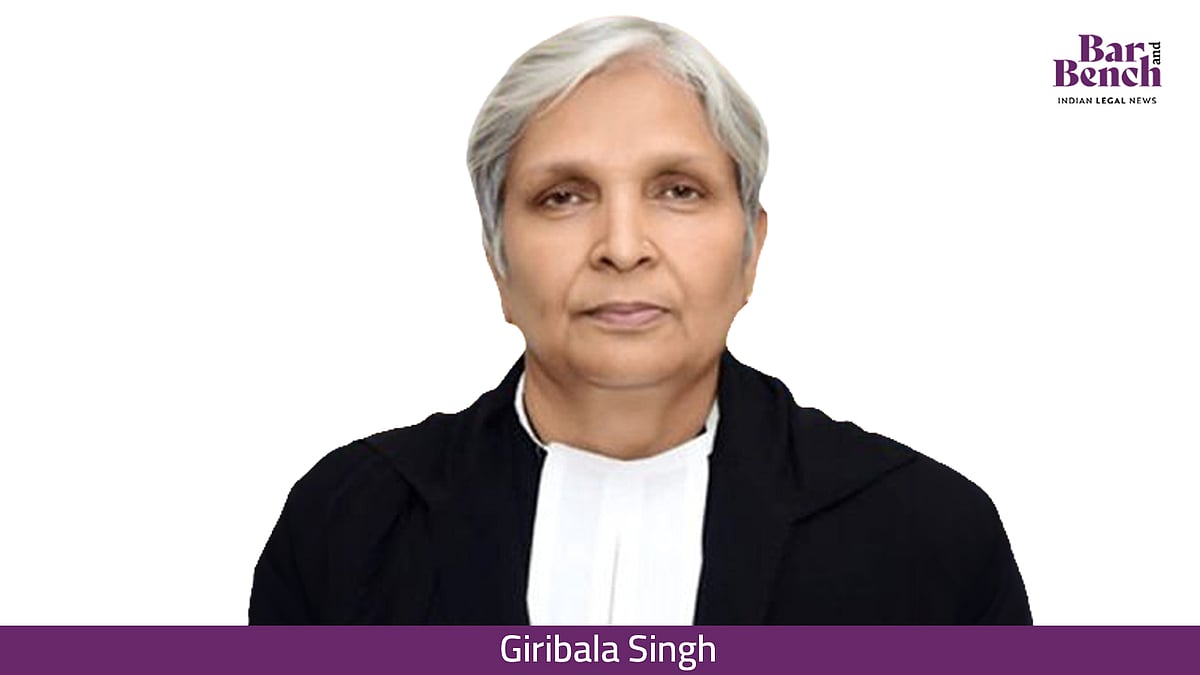
The MP High Court revoked anticipatory bail granted to Giribala Singh in the dowry death case of Twisha Sharma. The court found merits in the allegations against Singh, necessitating her presence for questioning.

SEBI clarified that Infrastructure Investment Trusts (InvITs) can borrow beyond 49% of asset value for capital expansion and eligible debt refinancing, enhancing investment flexibility.
SEBI has released a revised Master Circular consolidating surveillance directives to enhance insider trading compliance and market integrity through improved mechanisms.
SEBI is advocating for an API-based connectivity model for Straight-Through Processing (STP) to enhance operational efficiency and reduce latency in institutional trade processing.
SEBI's draft paper proposes easing restrictions on third-party payments in mutual funds under specific scenarios, aiming to provide operational flexibility while ensuring compliance.
SEBI is increasing scrutiny on AI-driven investment advisory platforms, emphasizing that fintech firms retain legal responsibility for AI-generated recommendations. The article explores the regulatory challenges this presents.
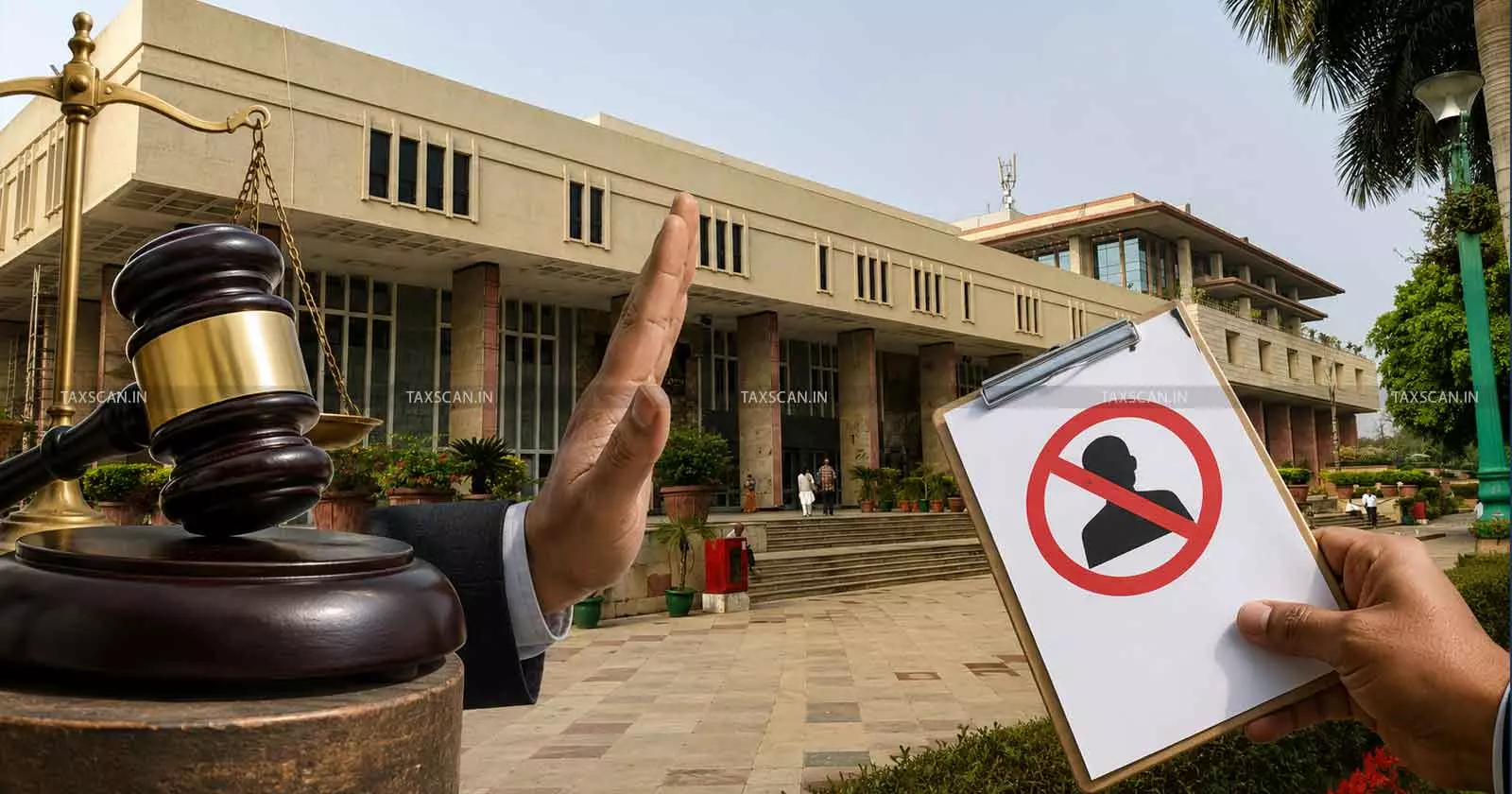
The Delhi High Court ruled that importers or exporters cannot be listed in the ‘Denied Entity List’ without proper notice and the opportunity for a hearing, reinforcing principles of natural justice.

The NCLT has admitted an insolvency petition against an online gaming company due to a ₹2.81 crore loan default. Swapnil Jain has been appointed as the Interim Resolution Professional (IRP) to oversee the proceedings.

In a recent ruling, the ITAT allowed an appeal stating that additions made under Section 56 without establishing transfer details were unsustainable, emphasizing the necessity of thorough investigation.