SC Clarifies Limitation Not a Jurisdictional Issue Under CPC
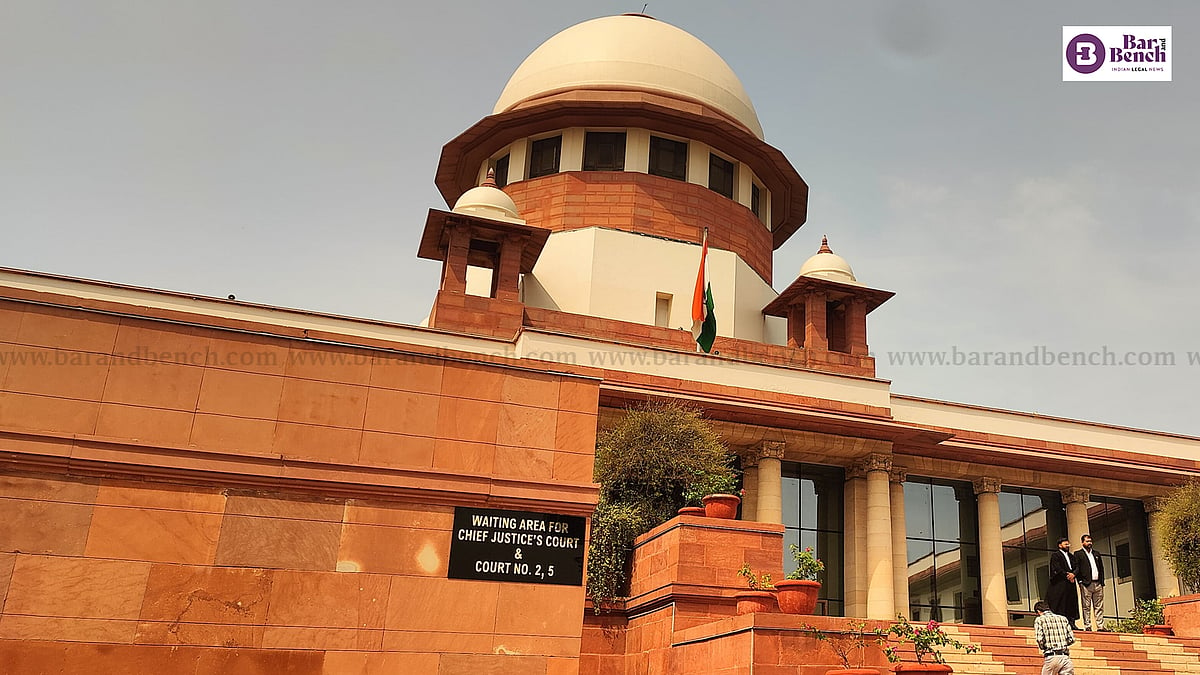
The Supreme Court has clarified that limitation cannot be treated as a preliminary issue under Section 9A of the CPC as it doesn’t affect the court’s jurisdiction to entertain a suit.
Latest court orders, judgments, and legal developments from Indian courts — AI-curated and summarized.
The Supreme Court has clarified that limitation cannot be treated as a preliminary issue under Section 9A of the CPC as it doesn’t affect the court’s jurisdiction to entertain a suit.
The Supreme Court has clarified that limitation should not be treated as a preliminary jurisdictional issue under Section 9A of the CPC, emphasizing its applicability to defects affecting a court's competence to entertain a suit.
The Orissa High Court has ruled that the dismissal of a Section 34 petition based on maintainability grounds is effectively a refusal to set aside an arbitral award. The court has restored the petition for a substantive hearing.

The Kerala High Court has ruled that its writ jurisdiction cannot address private disputes, such as conflicts over parking spaces. This decision reinforces the boundaries of judicial intervention in private matters.

The West Bengal government has appointed Senior Advocates Rajdeep Mazumder, Nilanjan Bhattacharyya, and Dibyendra Narayan Ray to key law positions amid political changes. This move highlights the evolving legal landscape in the state following a change in governance.

The Supreme Court mandated that lawyers must cite judgments that support both sides of their case, warning against inconsistent judicial opinions. This directive aims to enhance legal clarity and ensure fair representation.

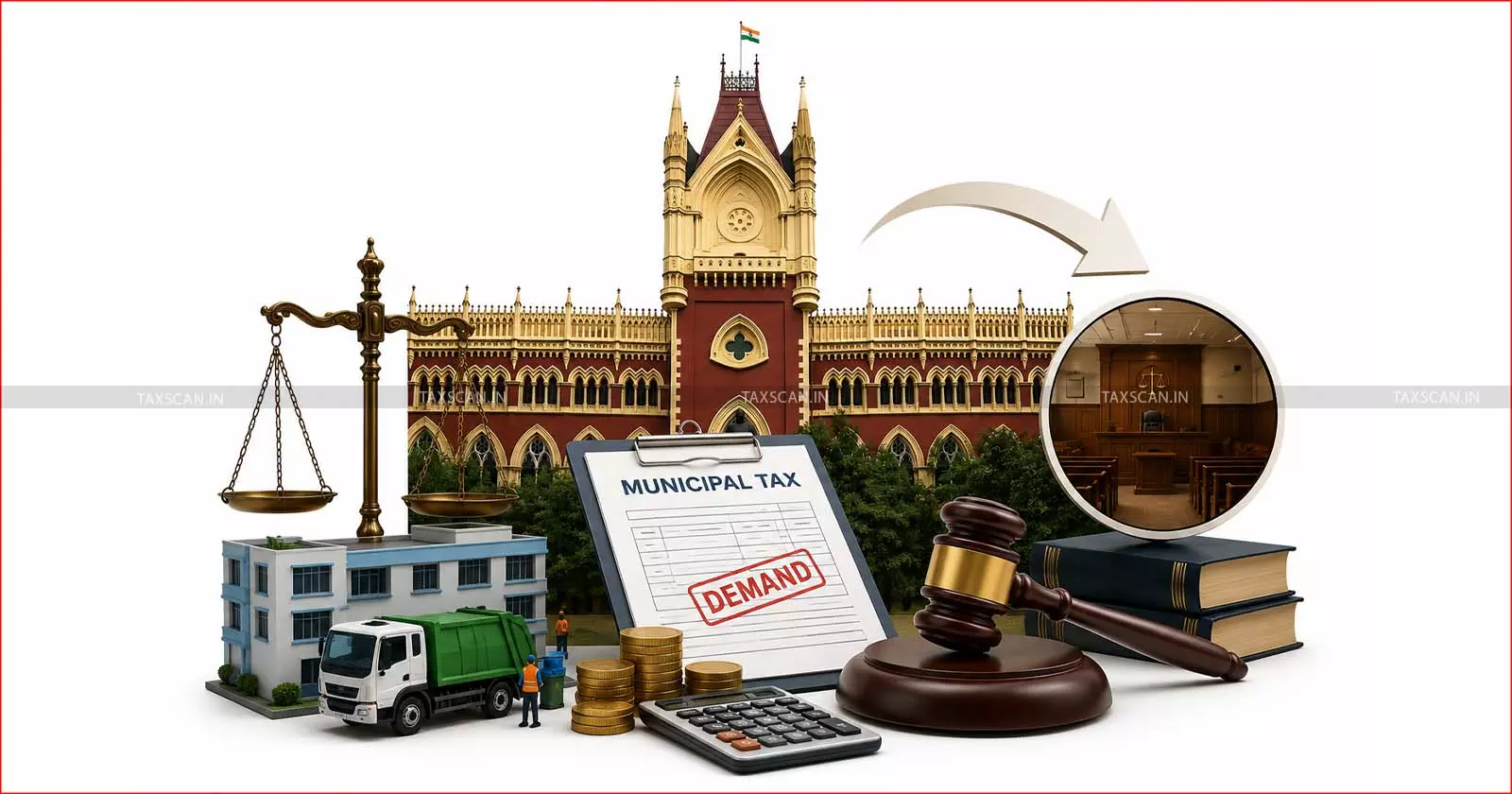
In a key decision, the Calcutta High Court has upheld the transfer of a suit for the recovery of municipal taxes to the commercial division, reinforcing its alignment with statutory provisions.
Recent amendments to the Delivery of Books Act, 1956, as part of the Jan Vishwas Amendment Act, have modified penalties related to legal deposit, necessitating a reassessment of compliance.
The Jan Vishwas Amendment to the Delivery of Books Act, 1956, modifies penalty provisions but falls short in fostering comprehensive reform of the legal deposit system.
The Jan Vishwas Amendment modifies penalties under the Delivery of Books Act, aiming to reform outdated legal deposit provisions. The co-authored analysis critiques the effectiveness of these reforms.

Justice KV Viswanathan of the Supreme Court cautioned about the perils of AI translation in legal contexts, citing a misinterpretation of 'leave granted' in a ruling. He highlighted the need for careful use of technology in legal proceedings.

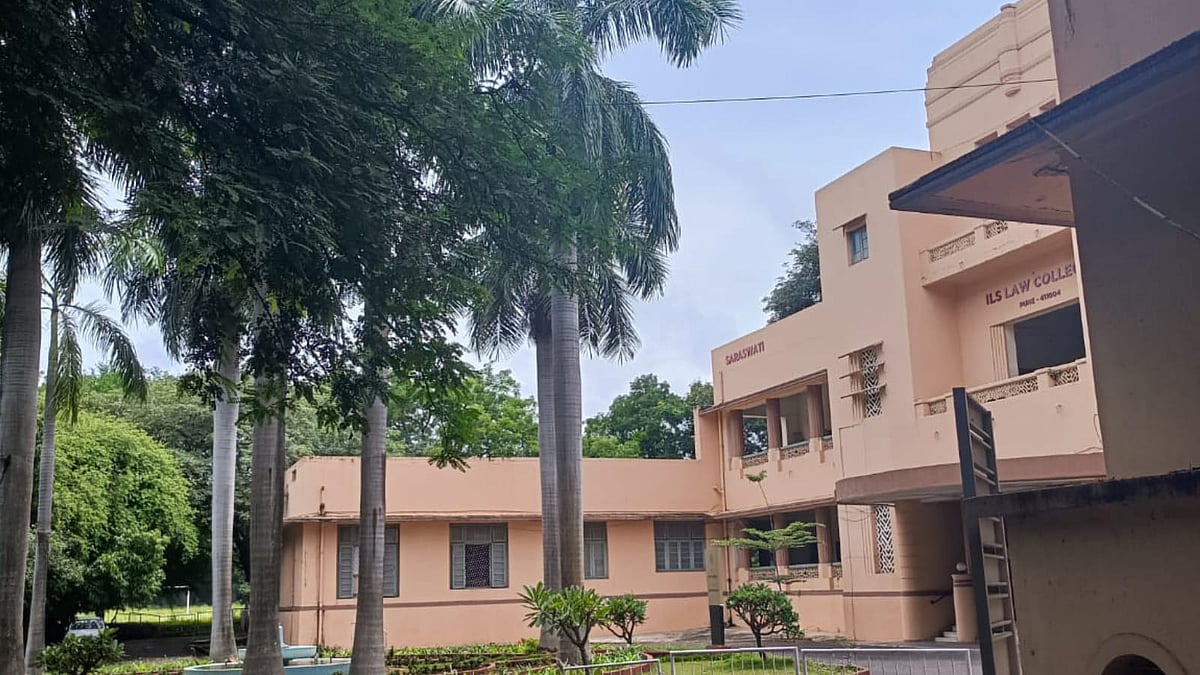
The Maharashtra government has mandated ILS Law College to refund ₹1,04,863 to a former student due to the collection of excess fees without university approval. This order follows multiple inquiries into the fee structure at the college.