Supreme Court on Revenue Map Correction Disputes
The Supreme Court of India ruled that revenue map corrections cannot reopen settled disputes under the Uttar Pradesh Revenue Code, setting a precedent for future cases.
Latest court orders, judgments, and legal developments from Indian courts — AI-curated and summarized.
The Supreme Court of India ruled that revenue map corrections cannot reopen settled disputes under the Uttar Pradesh Revenue Code, setting a precedent for future cases.
The Calcutta High Court has denied bail under Section 45 of the PMLA in a money laundering case related to the Sahara deposit scam. The court held that the petitioner failed to meet the twin conditions required for such bail.
The Monetary Policy Committee (MPC) of the Reserve Bank of India has decided to maintain the existing policy rate following its 62nd meeting. This decision reflects a careful assessment of macroeconomic indicators amidst evolving financial developments.
The Madras High Court ruled on the evidentiary requirements for invoking Section 107A for pharmaceutical exports aimed at regulatory approval. The decision aims to provide clearer guidance but raises concerns about burdens on manufacturers.
The Patna High Court quashed an ex parte GST assessment because the hearing notice was improperly uploaded under an incorrect tab on the portal, denying the petitioner a fair hearing.
The Bombay High Court quashed a GST show cause notice, emphasizing the necessity of maintaining a three-month gap as mandated by Section 73 of the GST Act.
The Karnataka High Court ruled that consolidated GST show cause notices under Section 74 are permissible, overturning a previous Single Judge's decision. The court remitted the matter for further proceedings.

The Delhi High Court ruled that exporters can rectify GSTR-3B and address related GSTR-2A mismatches despite technical limitations, ensuring compliance with GST regulations.

The Delhi High Court quashed reassessment proceedings on the grounds that the taxpayer's bank accounts and transactions were previously examined during the original scrutiny assessment, setting a precedent for similar cases.

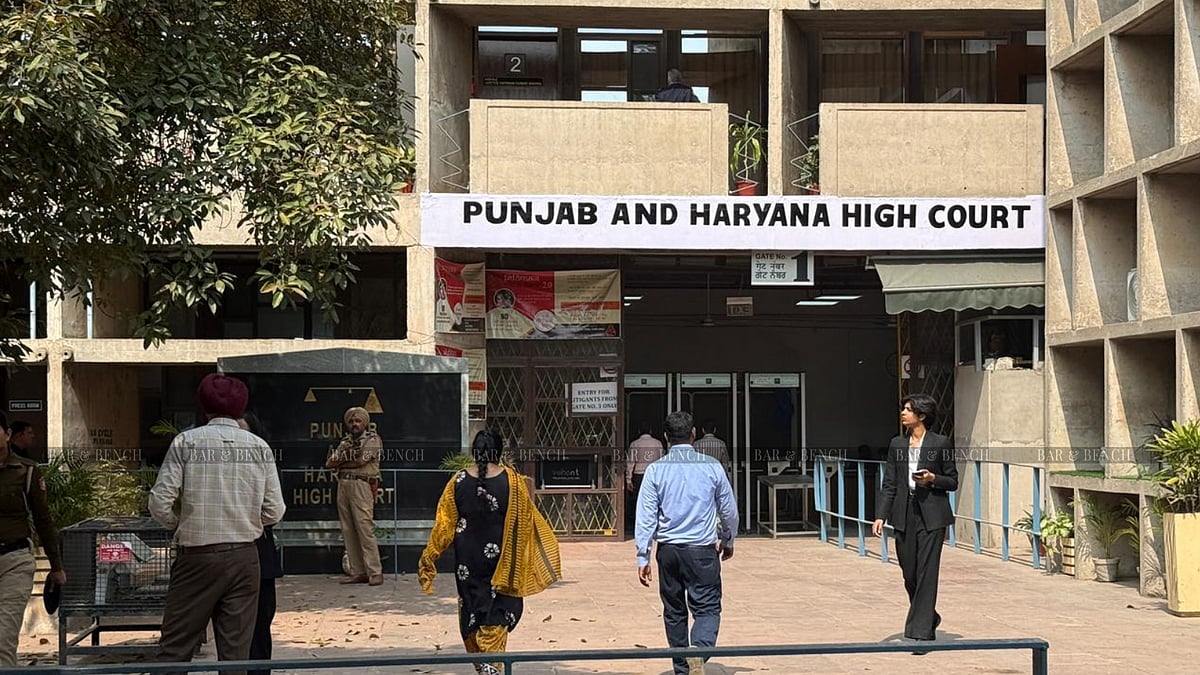
The Punjab and Haryana High Court has prohibited the Punjab government from engaging in large-scale advertising campaigns until overdue employee payments are cleared, signaling a commitment to prioritize employee rights.

The Punjab and Haryana High Court has condemned the Punjab government for prioritizing spending on freebies while neglecting to pay legitimate dues to employees, highlighting serious financial management issues. Courts urge equitable budgetary practices.

The Bombay High Court has created 23 fast-track courts to expedite trials related to public examination malpractices, aiming to enhance legal efficiency in addressing such issues. This initiative seeks to deter future offenses by streamlining judicial processes.