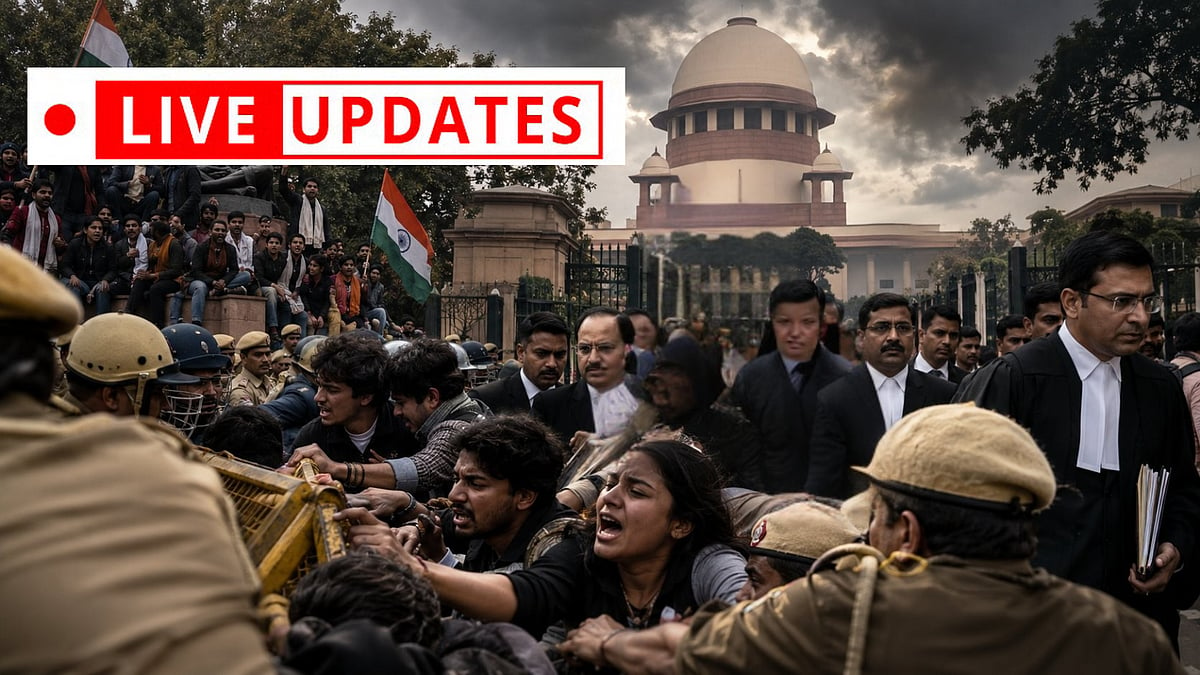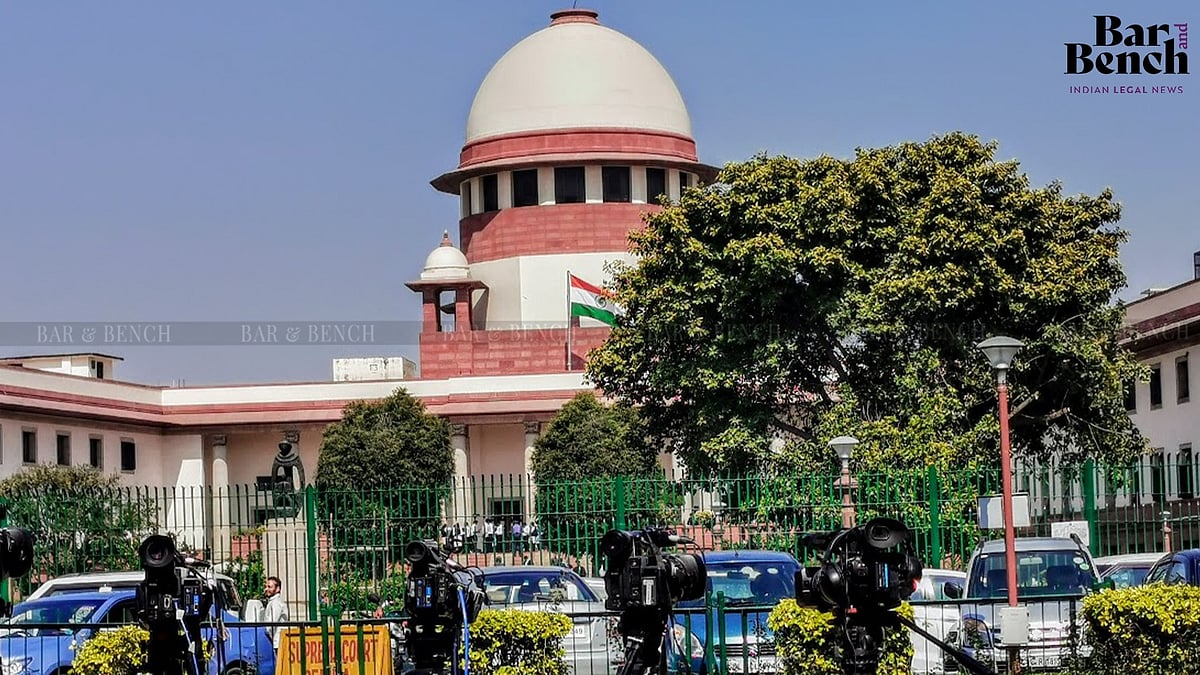
The Supreme Court has directed the registry to explain the abrupt removal of a batch of contempt petitions from the causelist, including a high-profile case on IPS officer deputations.
The Supreme Court has issued a formal direction to its registry seeking an explanation for the sudden deletion of a group of contempt of court petitions from the afternoon roster on Tuesday, including the high-profile matter of Mahendra Singh Deo v. Govind Mohan concerning the deputation of 46 IPS officers to Central Armed Police Forces (CAPFs). A Bench comprising Justices Ujjal Bhuyan and AS Chandurkar expressed concern over the manner in which the matter was removed during lunch recess, despite being listed for hearing.
Transparency in Listing Practices
The deletion occurred without prior notice to the parties or their counsels, prompting the Bench to question the procedural propriety and transparency of registry actions. The Court noted that such decisions affect the rights of litigants and may undermine institutional credibility. While the registry has administrative control over cause lists, the judiciary has consistently emphasized that listing or delisting must be done in a reasoned and fair manner.
"The deletion of cases from the list, especially those of public importance, cannot be arbitrary or made without recording reasons."
The Bench observed that the matter involved issues of inter-state cadre movement and constitutional obligations under Article 309, warranting strict adherence to procedural discipline.
Institutional Accountability
The incident draws attention to the balance between judicial administration and judicial oversight. While the registry performs essential logistical functions, the Bench reaffirmed that any action impacting judicial proceedings must be transparent and accountable. The upcoming explanation may inform future guidelines on cause list management, ensuring litigants’ rights to hearing and access to justice under Article 21 are protected.
Citations
- Mahendra Singh Deo v. Govind Mohan