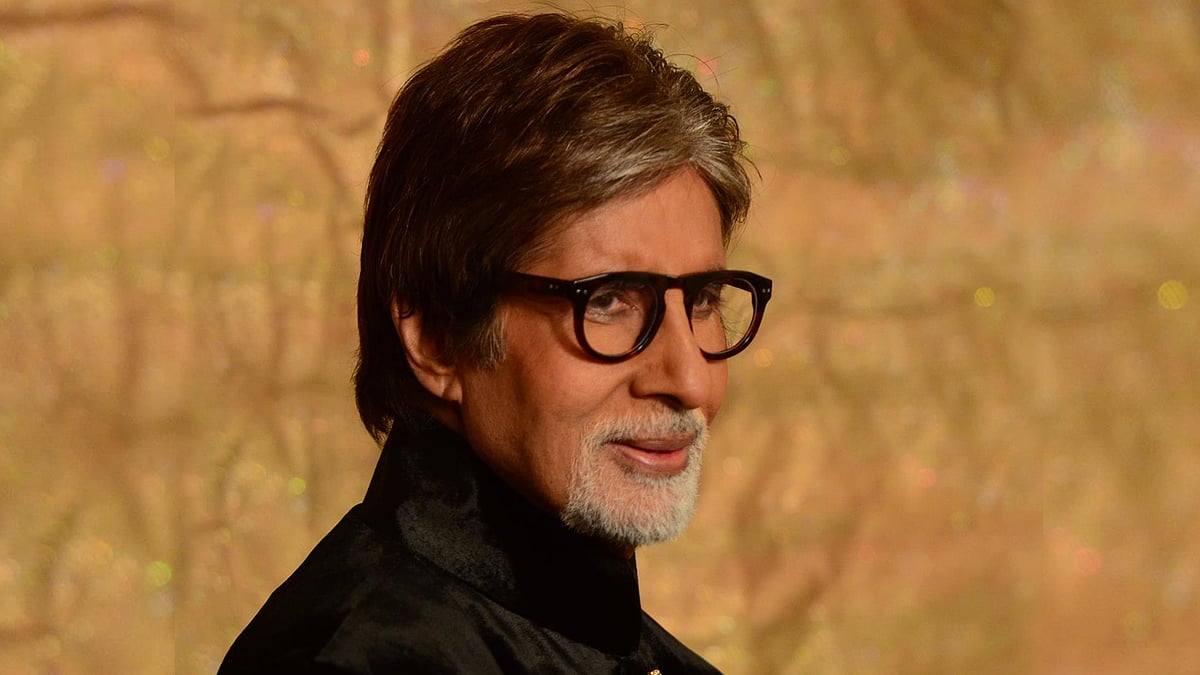
The Delhi High Court stated that Amitabh Bachchan must appear personally to pursue his personality rights infringement suit. The direction was issued to encourage settlement and ensure judicial efficiency in high-profile IP disputes.
The Delhi High Court on October 9, 2026, directed veteran actor Amitabh Bachchan to appear personally if he intends to continue pursuing his personality rights suit (Amitabh Bachchan v Rajat Nagi & Ors). Justice Purushaindra Kumar Kaurav observed that personal presence may facilitate resolution, especially where emotional or reputational stakes are high. The court granted Bachchan time to consider settlement with one or more defendants before proceeding to trial.
The case involves allegations of unauthorized use of Bachchan’s name and image for commercial promotion, raising issues under common law of passing off and the evolving jurisprudence of personality rights in India. While courts have previously recognized the right to publicity as a facet of Article 21, enforcement often requires proof of consumer confusion and commercial benefit to the defendant.
This order highlights a growing judicial preference for personal engagement in IP and media law disputes, particularly where celebrity rights are involved. For practitioners, it signals that courts may insist on litigant presence in cases involving unique personal attributes, even absent a statutory mandate. Personal appearance may also be leveraged as a procedural tool to encourage settlements.
Citations
- Amitabh Bachchan v Rajat Nagi & Ors, Delhi High Court
- Article 21, Constitution of India